
Ten days finally allows you to venture beyond the Bari – Itria Valley – Salento triangle that most shorter stays impose. This itinerary adds the Gargano, the limestone ‘spur’ in northern Puglia, before heading back down to the trulli, the white city of Ostuni, Lecce, and the tip of Salento. This follows the same spirit as our 7-day itinerary, with three additional days dedicated to a region that the shorter tour explicitly recommends saving for another trip.
To understand how these stages relate to each other, our guide to the geography of Puglia details the provinces and distances between them.

What this itinerary covers: Bari, Trani and Castel del Monte, Gargano (Vieste, Peschici, Monte Sant’Angelo), Polignano a Mare and Monopoli, the Itria Valley (Alberobello, Locorotondo, Cisternino), Ostuni and Martina Franca, Lecce, Otranto and Santa Maria di Leuca, then Gallipoli.
- Itinerary: 10-day loop – Bari, Trani, Castel del Monte, Gargano (Vieste, Peschici, Monte Sant’Angelo), Polignano a Mare, Monopoli, the Itria Valley, Ostuni, Martina Franca, Lecce, Otranto, Santa Maria di Leuca, and Gallipoli.
- Airports: Bari (BRI) for arrival, Brindisi (BDS) for departure – see our Bari or Brindisi comparison.
- Car: essential, especially for the Gargano loop.
- Best time: May-June and September.
- To anticipate: ZTLs in several historic centers (Ostuni, Lecce, Otranto, Gallipoli, and seasonally in Vieste, Peschici, Trani, and Monte Sant’Angelo).
- Itinerary Overview for 10 Days
- Before you go: airport, car, season
- Day 1: Bari
- Day 2: Trani and Castel del Monte
- Day 3: Vieste and Peschici
- Day 4: Monte Sant’Angelo and Umbra Forest
- Day 5: Polignano a Mare and Monopoli
- Day 6: Itria Valley
- Day 7: Ostuni and Martina Franca
- Day 8: Lecce
- Day 9: Otranto and Santa Maria di Leuca
- Day 10: Gallipoli
- Our Top Picks on the Itinerary
- Where to Stay on this Tour
- Budget and Practical Tips
- Mistakes to Avoid
- Frequently asked questions
Itinerary Overview for 10 Days

| Day | Main Stages | Overnight in |
|---|---|---|
| 1 | Arrival, Bari | Bari |
| 2 | Trani, Castel del Monte | Gargano (Vieste or Peschici) |
| 3 | Vieste, Peschici | Gargano |
| 4 | Monte Sant’Angelo, Umbra Forest | Gargano or return to Bari/Polignano |
| 5 | Polignano a Mare, Monopoli | Itria Valley |
| 6 | Alberobello, Locorotondo, Cisternino | Itria Valley or Ostuni |
| 7 | Ostuni, Martina Franca | Ostuni |
| 8 | Lecce | Lecce |
| 9 | Otranto, Santa Maria di Leuca | Lecce or Gallipoli |
| 10 | Gallipoli, Salento beaches, departure | — |
Gargano is visited here over three full days (2 to 4), looping from a base in Vieste or Peschici, before heading south. It’s a real detour: allow a good full day of driving round trip from Bari, which is why our 7-day itinerary omits it.
Before you go: airport, car, and best time
Bari or Brindisi: which airport to choose
As with the 7-day itinerary, landing in Bari and departing from Brindisi (or vice versa) avoids an unnecessary round trip at the end of the tour. See our Bari or Brindisi comparison for detailed connections.
Should you rent a car?
Yes, without hesitation. The Gargano loop in particular is not feasible by public transport within a reasonable timeframe: connections between Vieste, Peschici, and Monte Sant’Angelo are infrequent and designed for locals, not for a short tourist circuit.
Several historic centers on this tour are protected by a ZTL (limited traffic zone) with automatic cameras: Ostuni, Lecce, Otranto, and Gallipoli have fairly well-documented schedules (details further down in this article). Trani, Vieste, Peschici, and Monte Sant’Angelo also apply traffic regulations in their historic centers, especially during the summer season: precise times vary from year to year and should be checked on-site or with your accommodation upon arrival.
What is the best time for this tour?
May-June and September remain the best compromise, as for the rest of Puglia. Gargano, being more wooded and hilly than Salento, remains pleasant to visit a little later in the season thanks to the shade of the Umbra Forest. July-August remains very busy on the beaches of Vieste and Peschici, among the most famous in Southern Italy.
Day 1: Bari, the Gateway to Puglia
Bari Vecchia, the old town nestled between the port and Corso Vittorio Emanuele, can be explored on foot in a few hours: the Basilica of San Nicola, San Sabino Cathedral, and, via Arco Basso, the tables where locals still hand-make their orecchiette. In the late afternoon, the lungomare is perfect for a stroll to the Swabian Castle.
To plan: the old town is entirely pedestrian; it’s best to park along Corso Vittorio Emanuele or in a paid parking lot in the city center.
To prepare for this stop: complete guide to Bari and walk through the old town to discover homemade pasta.
Day 2: Trani and Castel del Monte

From Bari, allow about 45 km and 45 minutes of driving to reach Trani. Its Romanesque cathedral, built of light limestone directly on the sea, is one of Puglia’s most photographed sights. The Swabian castle and the still-active port complete a leisurely morning visit.
In the afternoon, head to Castel del Monte (about 40 km and 40 to 45 minutes drive from Trani), the octagonal fortress built by Emperor Frederick II in the 13th century and a UNESCO World Heritage site since 1996. Its perfect geometry – eight towers around an octagonal courtyard – continues to intrigue historians about its exact function.
From Castel del Monte, head towards Gargano for the night: allow a good hour and a half to two hours of driving depending on your base (Vieste or Peschici), via Manfredonia.
To prepare for this stop: guide to Trani.
Day 3: Vieste and Peschici

Vieste is the seaside capital of Gargano: a white historic center perched on a rocky promontory, dominated by the Swabian castle, and especially the Pizzomunno, a 25-meter limestone monolith planted directly on the main beach – Gargano’s most iconic image. The white cliffs framing the town can also be explored by boat, with numerous excursions to the surrounding sea caves departing from the port.
In the late morning or early afternoon, head to Peschici (about 20 km, thirty minutes along the coast). This white village, clinging to a cliff facing the sea, is distinguished by its cubic houses of Mediterranean influence and its stepped alleys leading down to the port.
To plan: in high season, the beaches of Vieste (Pizzomunno, Baia delle Zagare a little further south) are very busy; arriving early simplifies parking. As in Trani, both historic centers apply traffic regulations during the season: parking on the outskirts and continuing on foot remains the simplest solution.
To prepare for this stop: guide to Vieste and guide to Peschici.
Day 4: Monte Sant’Angelo and Umbra Forest

From Peschici, allow about 60 km and just over an hour’s drive to reach Monte Sant’Angelo, perched at over 800 meters above sea level in the heart of Gargano. Its Sanctuary of San Michele Arcangelo, carved into the rock since the 5th century, is part of the ‘Longobards in Italy, Places of Power’ serial site inscribed on the UNESCO World Heritage list: one of the oldest Christian pilgrimage sites in the West. The white alleys of Rione Junno, around the sanctuary, are among the oldest in Gargano.
On the way, the Umbra Forest is worth a detour: it is one of the last great ancient beech forests in Southern Italy, in the heart of the Gargano National Park, with several marked trails accessible from the visitor center.
End of day: head south towards Bari or directly to Polignano a Mare (about 130 to 140 km, allow nearly two hours of driving) to continue the tour.
To prepare for this stop: guide to Monte Sant’Angelo and guide to Vico del Gargano, a nearby village to add as an option if time permits.
Day 5: Polignano a Mare and Monopoli
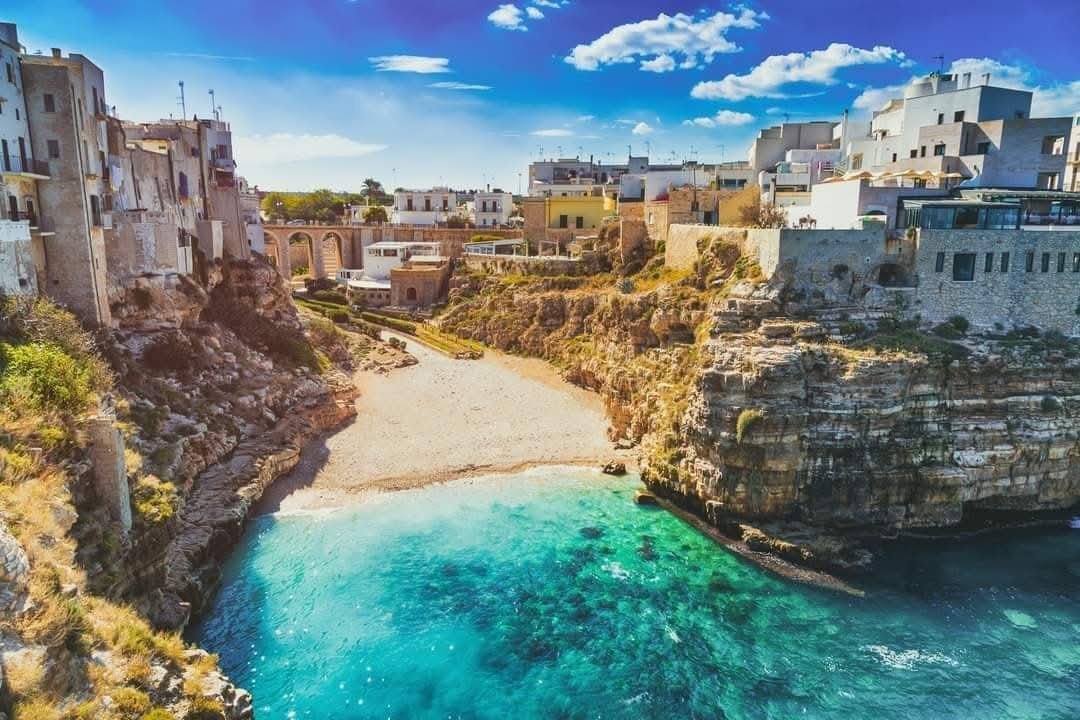
Heading south again: Polignano a Mare, known for its houses clinging to the cliff and the Lama Monachile, a pebble beach nestled between two rock faces. The historic center can be explored in an hour or two. Then Monopoli (10 minutes drive), less photographed but just as pleasant, with its still-active fishing port.
To plan: parking lots near Polignano’s center fill up quickly in season; Lama Monachile is small and very popular in summer, beaches around Monopoli are often less crowded.
To prepare for this stop: guide to Polignano a Mare, Lama Monachile, and guide to Monopoli.
Day 6: Itria Valley — Alberobello, Locorotondo, Cisternino
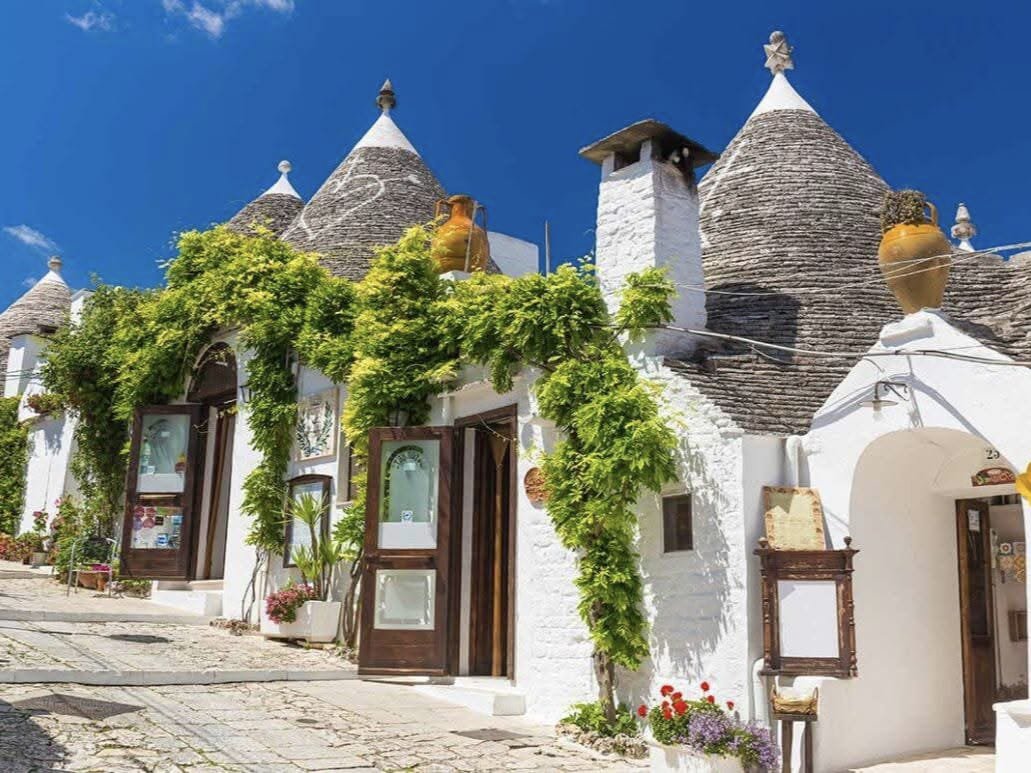
Alberobello, the UNESCO-listed trulli capital, is best visited in the Rione Monti district and, for a more authentic experience, Aia Piccola. Less than 10 minutes away, Locorotondo is worth an hour’s walk through its circular center. Then Cisternino, ranked among Italy’s most beautiful villages, with its bracerie where you choose your meat at the counter.
To plan: Alberobello is best visited early in the morning or late in the day to avoid tour buses.
To prepare for this stop: guide to Alberobello, Locorotondo, and Cisternino.
Day 7: Ostuni and Martina Franca

From Alberobello to Ostuni, allow 32 km and about 36 minutes. The Gothic cathedral and the viewpoints from the ramparts are worth a full morning. In the afternoon, Martina Franca (23 km, 25 minutes) offers a Baroque and Rococo center less known to international visitors.
To prepare for this stop: guide to Ostuni and guide to Martina Franca.
Day 8: Lecce, the Baroque Capital of Salento
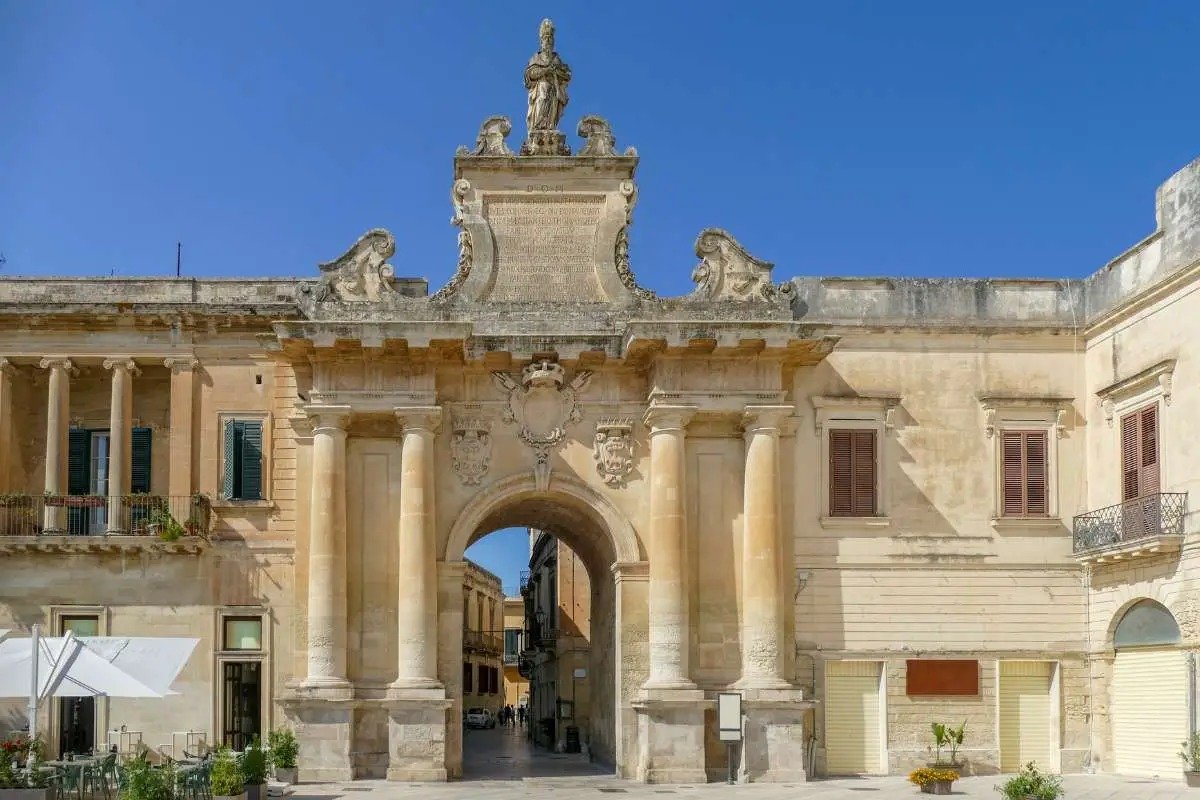
From Ostuni to Lecce, it’s 76 km and about 55 minutes. Nicknamed the ‘Florence of Baroque,’ Lecce owes its name to its soft, golden local stone, the pietra leccese. The Basilica of Santa Croce, Piazza Duomo, the Roman amphitheater in the city center, and Porta Napoli form a natural walking route.
To prepare for this stop: complete guide to Lecce.
Day 9: Otranto and Santa Maria di Leuca
Approximately 39 km and 44 minutes separate Lecce from Otranto. Don’t miss: the cathedral and its 12th-century Byzantine mosaic, the Aragonese castle, and if time permits, the Baia dei Turchi.
Santa Maria di Leuca, the tip of Puglia
Approximately 47.5 km and 56 minutes separate Otranto from Santa Maria di Leuca, where the Adriatic meets the Ionian Sea, marked by the De Finibus Terrae sanctuary and its lighthouse.
Day 10: Gallipoli and the Salento beaches before departure
From Santa Maria di Leuca, allow about 46 km and 39 minutes to reach Gallipoli. Its historic center perched on a rocky islet (Angevin castle, Baroque Sant’Agata Cathedral) can be visited on foot before catching your flight.
If there’s time left, head to the Ionian Salento beaches: Punta Prosciutto or Porto Cesareo. For departure, allow about 77 km and 59 minutes between Gallipoli and Brindisi Airport.
Our APULIA Favorites on this Itinerary
Some APULIA guides directly related to the stages in Gargano and the rest of the route.

Vico del Gargano
Just a stone’s throw from Peschici, this village, ranked among Italy’s most beautiful, complements the Gargano day well.

Locorotondo
Just a stone’s throw from Alberobello, this white village in the Itria Valley is worth a stop for its flower-filled alleys.

Trulli di Pozzomasiello
An authentic trullo stay in Locorotondo, in the heart of the Itria Valley.
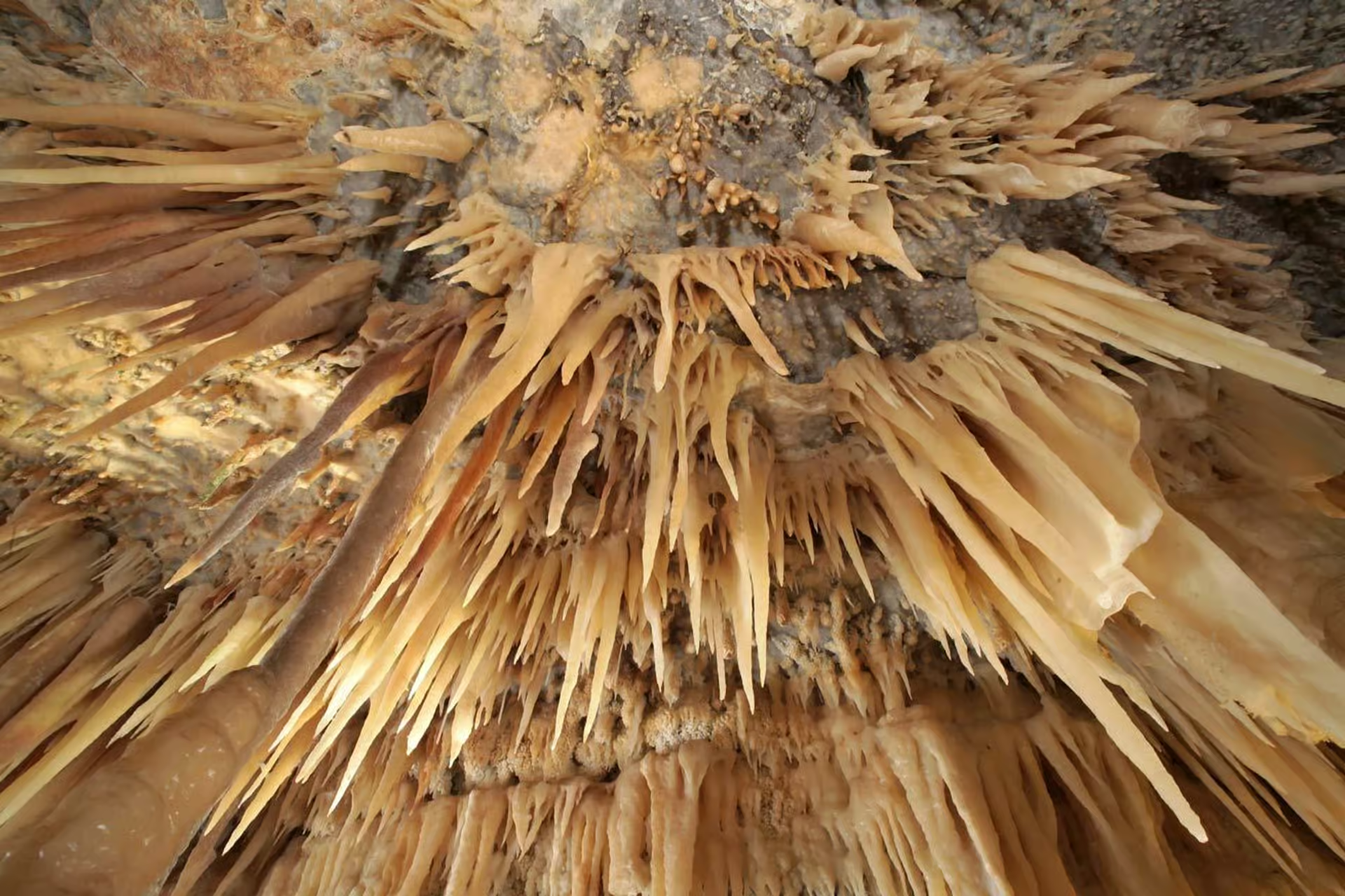
Castellana Caves
A possible detour from Alberobello or Ostuni to explore one of Italy’s most beautiful cave systems.
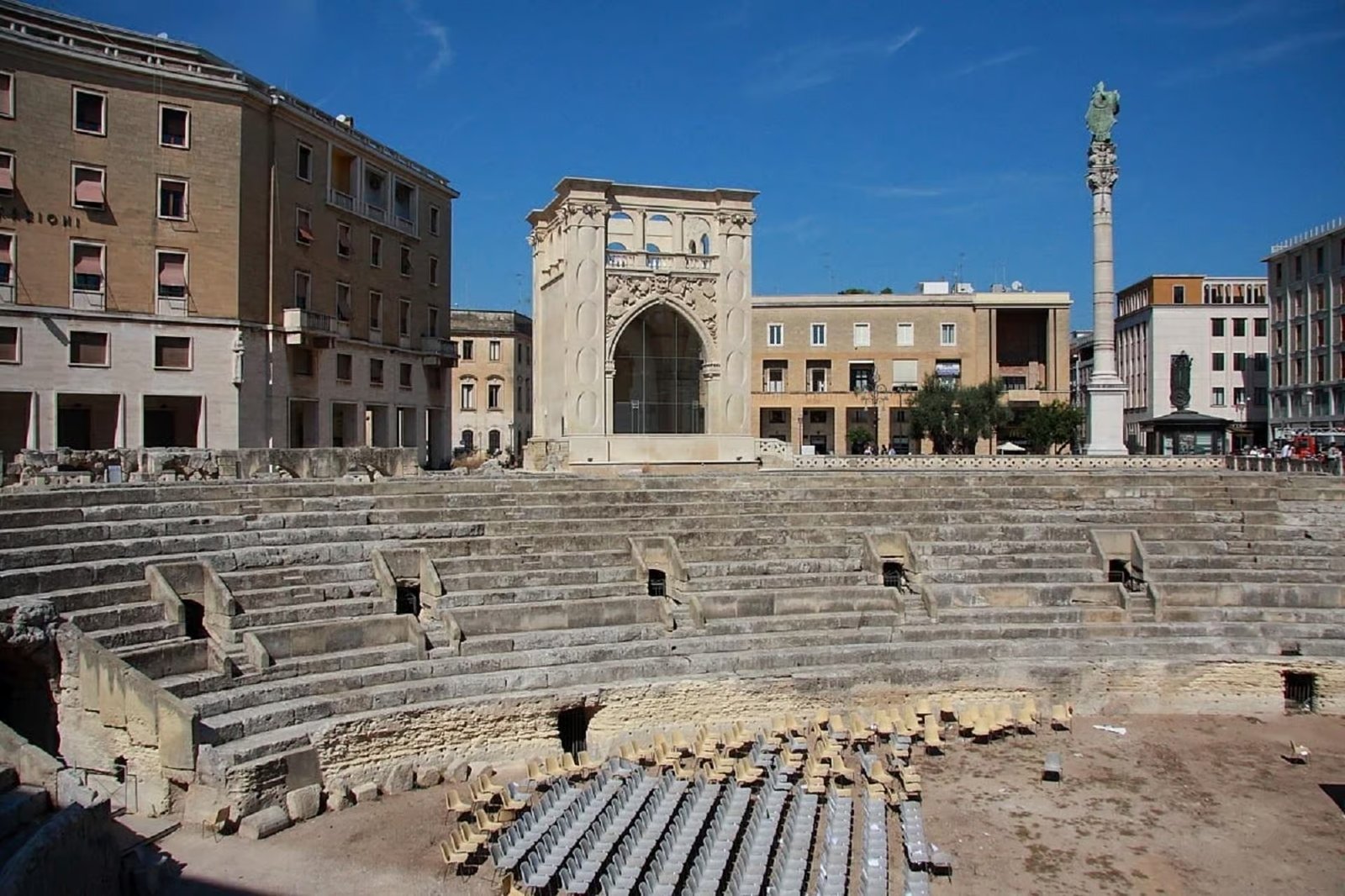
Guided tour of Lecce
To illuminate Lecce’s Baroque before strolling through the old town on your own.
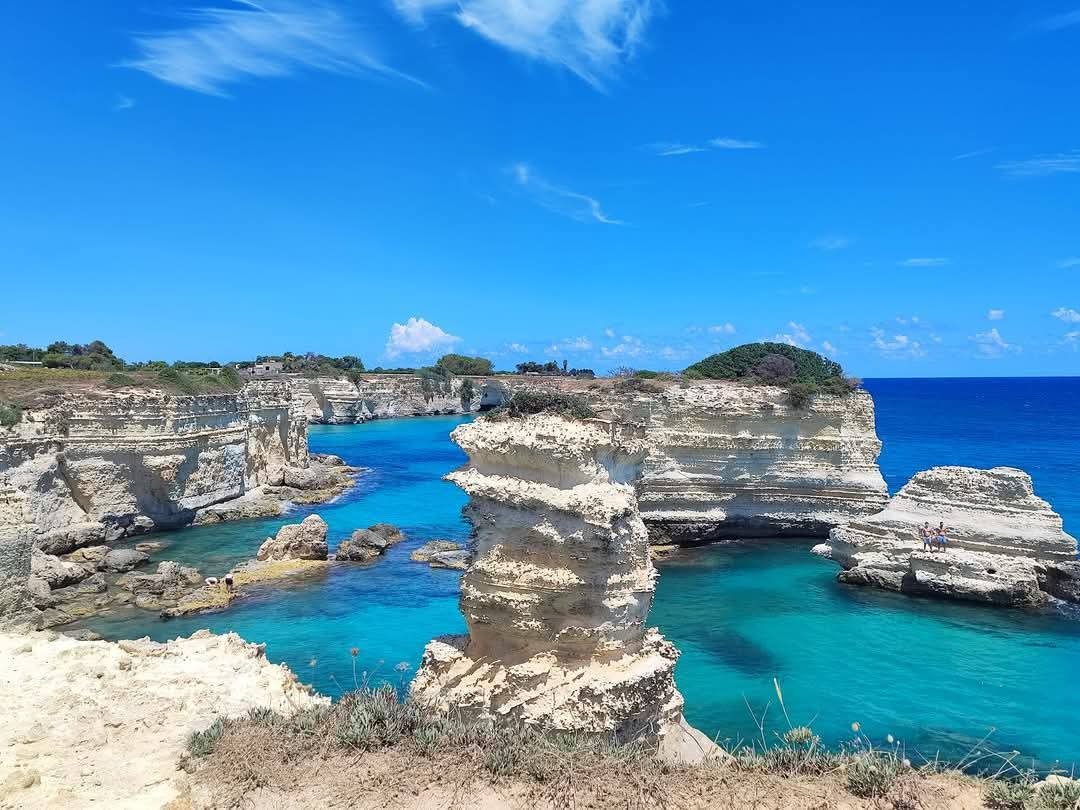
Torre Sant’Andrea
On the road between Otranto and Lecce, these rock formations are worth a swimming break.
Where to Stay on this Tour
Over 10 days, plan for four bases rather than a different hotel every night: one or two nights in Bari, two to three nights in Gargano (Vieste or Peschici), one night in the Itria Valley, then two to three nights in Salento (Lecce or its surroundings) to explore Otranto, Leuca, and Gallipoli.
To choose the most suitable area and discover a selection of accommodations, consult our complete guide to accommodations in Puglia.
Budget and Practical Tips
For cost details, see our budget guide for a trip to Puglia, and mistakes to avoid in Puglia. For 10 days with Gargano included, expect a significantly higher fuel budget than on the 7-day tour, due to the additional distances north.
| City | Active ZTL | Advice |
|---|---|---|
| Trani | Regulated seasonally | Park along the waterfront |
| Vieste / Peschici | Regulated in summer season | Parking on the outskirts of the historic center |
| Monte Sant’Angelo | Yes, in the center | Designated parking at town entrance |
| Ostuni | According to municipal decree, generally evenings in high season | Parking on the outskirts of the historic center |
| Lecce | All year, 9 PM-6 AM daily | Paid parking designated at the edge of the center |
| Otranto | Generally 7 PM-2 AM, especially June to September | Park via Idro / Lungomare degli Eroi |
| Gallipoli | April 2-October 31: 11 AM-midnight or 11 AM-3 AM depending on period | Park in the new town and walk across |
These times change annually: always check the current municipal decree before your stay.
Common Mistakes to Avoid on this Tour
- Underestimating the distance to Gargano: it’s a real detour north, not a half-day excursion from Salento.
- Trying to fit everything into 10 days: it’s better to maintain a pace of one to two main stops per day than to multiply the stops.
- Ignoring ZTLs, even in the small towns of Gargano.
- Parking anywhere in summer: spots disappear quickly near historic centers and beaches in July-August.
- Not booking Gargano accommodations early enough: Vieste and Peschici are fully booked from spring in high season.
Frequently asked questions
Are 10 days enough to see Puglia and Gargano?
Yes, 10 days allow you to add Gargano (Vieste, Peschici, Monte Sant’Angelo) to the classic Bari – Itria Valley – Salento tour, provided you maintain a reasonable pace and don’t turn every day into a marathon.
Is Gargano easily visited from Salento?
No: it is more than a 3-hour drive from Salento. On a 10-day tour, it’s better to place it at the beginning of your stay, right after Bari, as in this itinerary.
Is a car absolutely necessary?
Yes, especially for the Gargano loop, which is very poorly served by public transport.
What is the best time for this tour?
May-June and September offer the best compromise between pleasant warmth and moderate crowds, including in Gargano.
Prepare your trip with APULIA
To organize this day-by-day tour, locate the beaches and villages mentioned in this article, save your favorites, and ask your practical questions in real-time:
In summary
This 10-day tour adds Gargano – Vieste, Peschici, Monte Sant’Angelo – to the classic route between Bari, the Itria Valley, and Salento, without sacrificing time spent at each stop. If you have less time, our 7-day itinerary covers the essential stops without Gargano, and our 5-day itinerary offers an even more condensed version.