
Puglia is easy to visit, but a few misjudged habits are enough to spoil a day: a car park you can’t find in the old town, a restaurant that is still closed at the hour when you’re used to having dinner in France, a fine that arrives in the post two months after you get home. Nothing dramatic, but it can all be avoided with a few pointers. This guide brings together the most common mistakes made by French-speaking travellers in the region, and explains how to avoid them simply.

- ZTL (limited traffic zones): the number one trap for drivers — a fine of €83 to €332, passed on via the car rental company several weeks after you get home.
- Opening hours: a midday break is common (1pm-4pm), and restaurant dinner service often starts around 7:30-8pm.
- Coperto: a few euros per person added to the bill, a legal and common practice — it is not a scam. Tipping remains optional.
- Bookings: plan ahead in high season, especially for the most popular restaurants and activities.
- Best time to go: outside July and August, to avoid the strongest heat and the biggest crowds.
Overloading your itinerary
Puglia stretches for more than 400 km from the Gargano to the Salento. On a map, the distances between villages look short, but country roads and driving through town centres add noticeably to real journey times. Seeing three villages, a beach and an archaeological site in a single day is rarely realistic. It is better to split your stay between two or three different areas of accommodation (see our guide on where to stay) and plan 2 to 3 stops a day rather than 5 or 6 (see a concrete example in our 5-day itinerary).
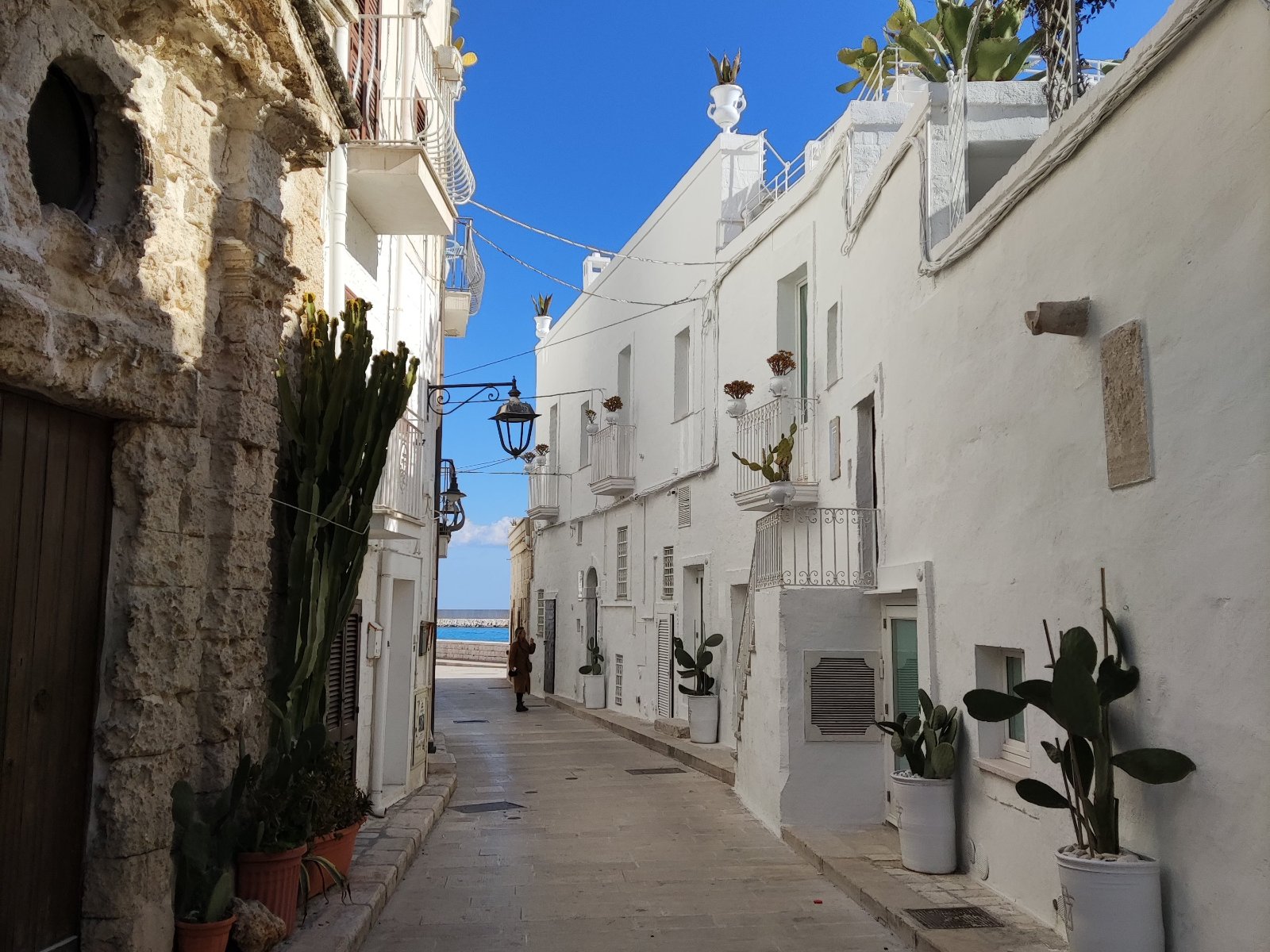
Limited traffic zones (ZTL)
Many historic centres in Puglia (Ostuni, Lecce and Otranto in particular) are classed as a limited traffic zone (ZTL): access is restricted to residents and monitored by cameras at the entrances and exits. Entering without authorisation results in a fine of between €83 and €332 depending on the zone, sent on several weeks or months later via the rental company, with extra processing fees on top. Your GPS doesn’t always flag these zones in time: look out for the round white signs with a red border marked “Zona Traffico Limitato” and park on the outskirts rather than trying to drive in.
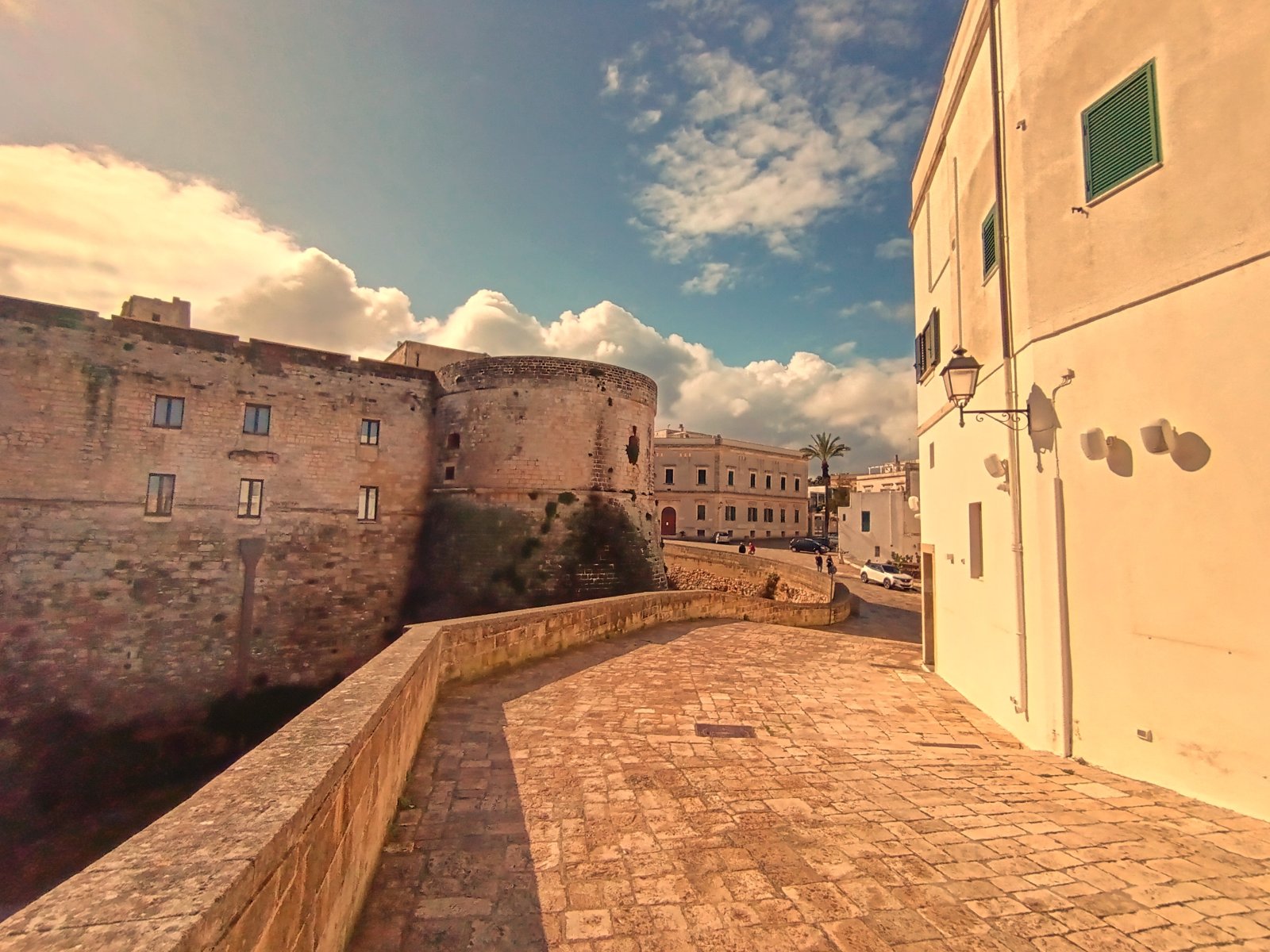
Booking too late in high season
In July and August, the most sought-after masserie and places to stay with a pool are often booked several months in advance. The same goes for the best-known beaches (Punta Prosciutto, Marina di Pescoluse), whose car parks fill up by 9-10am. Booking your accommodation early, and arriving early at popular beaches, avoids most of the disappointments of high season.
Italian opening hours to know about
The Italian rhythm sometimes differs from what you may be used to:
| Situation | What you need to know |
|---|---|
| Midday break | Many shops close between 1pm and 4pm, including in tourist villages |
| Dinner at a restaurant | Service often starts around 7:30-8pm; arriving at 6:30pm may mean finding the restaurant still closed |
| Museums and sites | Some are closed on Mondays; check the opening hours before setting out |
| Masses and religious events | Can occasionally restrict access to certain churches |
Swimming without taking care
Puglia’s beaches are generally safe, but some coves (Torre Sant’Andrea, Baia delle Zagare) have rocky bottoms that call for water shoes. The Adriatic coast of the Salento is also more exposed to wind and currents than the more sheltered Ionian coast. Late in the summer, the occasional presence of jellyfish can’t be ruled out, though it isn’t a given. Nothing alarming, but it is better to ask locally (swimming flags, advice from the lidos) than to rely solely on how the water looks.

Parking in historic centres
Beyond the ZTLs, simply finding a space in a village like Alberobello or Ostuni in the middle of a summer’s day can take time. Most villages have paid car parks on the outskirts, a 5-10 minute walk from the centre: this is generally the simplest option, rather than driving around narrow lanes.
Underestimating the summer heat
In July and August, temperatures regularly exceed 32-35°C, with high humidity near the coast. Visiting villages in the middle of the afternoon (1pm-4pm) is exhausting, and coincides with many shops closing. Packing water and sun protection, and moving town-centre visits to the morning or the end of the day, makes your stay noticeably more comfortable.

The coperto and tipping at restaurants
A “coperto” (a few euros per person) often appears on the bill: it isn’t a scam, it is a legal and common practice in Italy, corresponding to a cover and bread charge. Tipping, for its part, is not an obligation as it is in North America; rounding up or leaving a small percentage for good service is appreciated but never required.
To discover the specialities to try, region by region (beyond the coperto), head to our article Puglian cuisine: the specialities you absolutely must try.

Frequently asked questions
Is there really a risk of a ZTL fine in a rental car?
Yes, it is a real and frequent risk for tourists who don’t spot the signs. The fine is passed on via the rental company, with administrative fees on top, sometimes several months after you get home.
Do you need to book restaurants in advance?
In high season, yes, especially for well-known places in the evening. Out of season it is less necessary, but still a safeguard for the best tables.
Can you visit Puglia without a car?
It is possible for some areas (Bari, Lecce and Ostuni, which are well connected by train), but more limited for isolated villages and masserie. See our dedicated guide.
What is the best time to avoid the crowds and the heat?
May-June and September offer a good compromise between pleasant weather, smaller crowds and better availability of accommodation.
Plan your trip without nasty surprises, with APULIA
In summary
None of these mistakes is serious in itself, but together they can turn a lovely stay into a race against opening hours and the unexpected. Splitting up your itinerary, spotting the ZTL zones, booking early in high season and respecting the Italian rhythm (midday break, late dinner) are enough to avoid almost all the setbacks travellers run into in Puglia.
To find all our advice before you leave, head to our complete guide: Travelling in Puglia: practical tips for preparing your stay.