
Cooking in Puglia is rooted in its terroir, born of the countryside, the sea and the region’s limestone. It changes character from one area to the next: fresh pasta and vegetables around Bari, grilled meats in the Itria Valley, fish and pastries in Salento, breads and cheeses in the uplands of the Murgia.
This guide brings together the most representative specialties of each area, with their real origins, so you know what to taste and where to find it as naturally as possible: at markets, from producers, or at the table.
For everything to do with organizing your meals during your stay (shopping, opening hours, the coperto at restaurants), see our guide Travelling in Puglia: practical tips to plan your stay.

QUICK ANSWER
- Bari and the Terra di Bari: orecchiette con cime di rapa, focaccia barese, panzerotti.
- Itria Valley (Martina Franca, Cisternino): grilled bombette and smoked capocollo.
- Salento: pasticciotto from Galatina, ciceri e tria, polpo alla pignata and puccia.
- Taranto: the cozza tarantina, a mussel farmed in the Mar Piccolo since antiquity.
- Street food: sgagliozze and pettole in Bari, rustico leccese in Salento.
- Around Andria: the real burrata, PGI since 2016.
- Everywhere in the region: taralli, friselle and pane di Altamura PDO.
- As for wine: primitivo di Manduria and negroamaro from Salento.
Contents
- Bari and the Terra di Bari: orecchiette, focaccia and panzerotti
- The Itria Valley: bombette and capocollo
- Salento: pasticciotto, ciceri e tria and polpo alla pignata
- Taranto and the sea: the cozza tarantina
- Street food and antipasti: sgagliozze, pettole and rustico
- Burrata and the cheeses of Puglia
- Bread, taralli and friselle
- The wines of Puglia: primitivo and negroamaro
- Where and how to taste these specialties
- Frequently asked questions
1. Bari and the Terra di Bari: orecchiette, focaccia, panzerotti and spaghetti all’assassina
Orecchiette (“little ears”) are the emblematic pasta of Bari, still often shaped by hand. They are classically prepared con cime di rapa (with young turnip tops, garlic and anchovies), but also simply al pomodoro.
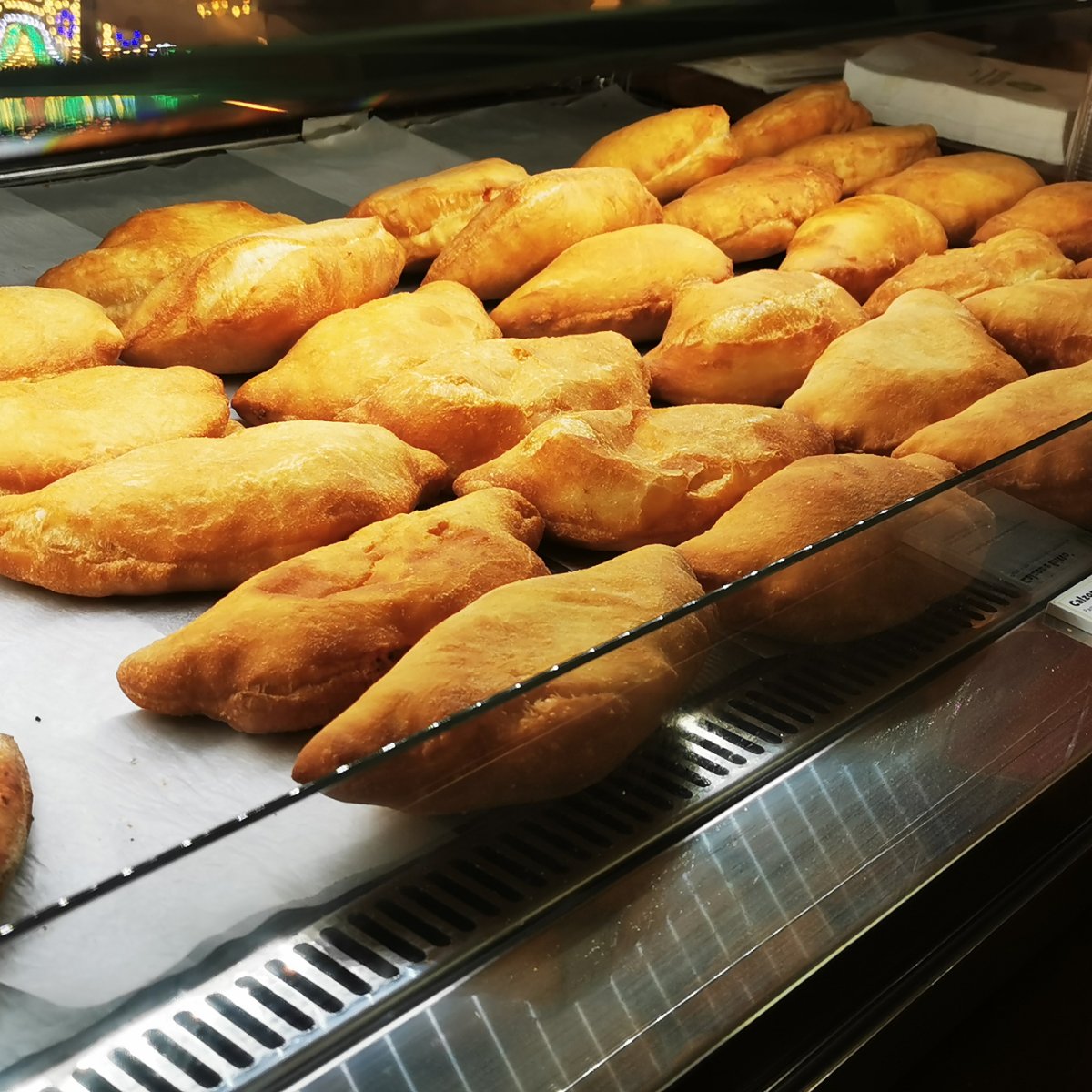
The focaccia barese, thick and soft, is topped with cherry tomatoes, olives and oregano; it is eaten at any time of day, often bought straight from a bakery (panificio). Panzerotti, fried turnovers stuffed with mozzarella and tomato, are another very popular street food in Bari.

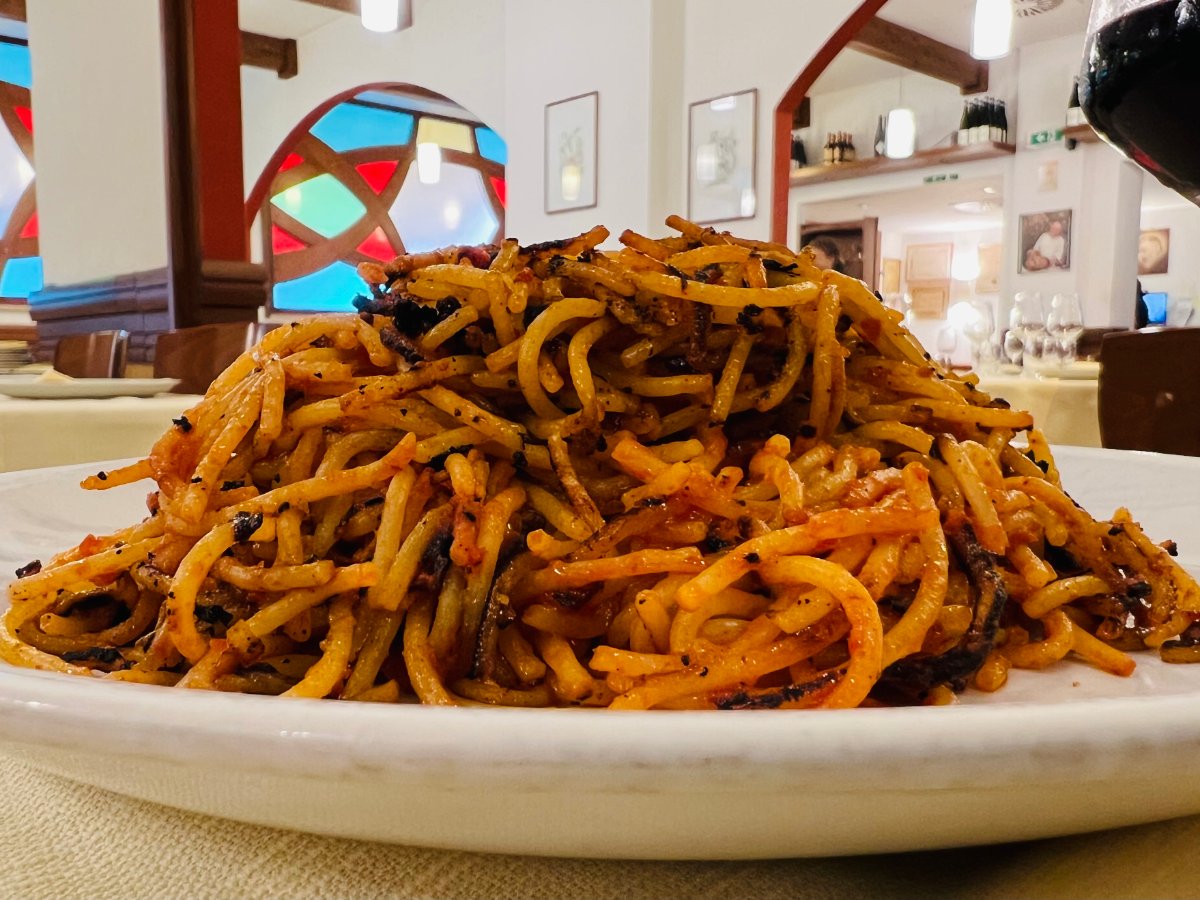
Another emblematic specialty of Bari, spaghetti all’assassina (“the assassin’s spaghetti”) were born in 1967 at the restaurant Al Sorso Preferito. Unlike conventional cooking, the pasta is seared directly in a spicy tomato sauce until it lightly caramelizes at the bottom of the pan, which gives it a characteristic charred flavor. Having fallen out of fashion, the dish was relaunched in 2013 and gained new fame thanks to the television series Lolita Lobosco.
2. The Itria Valley: bombette and capocollo
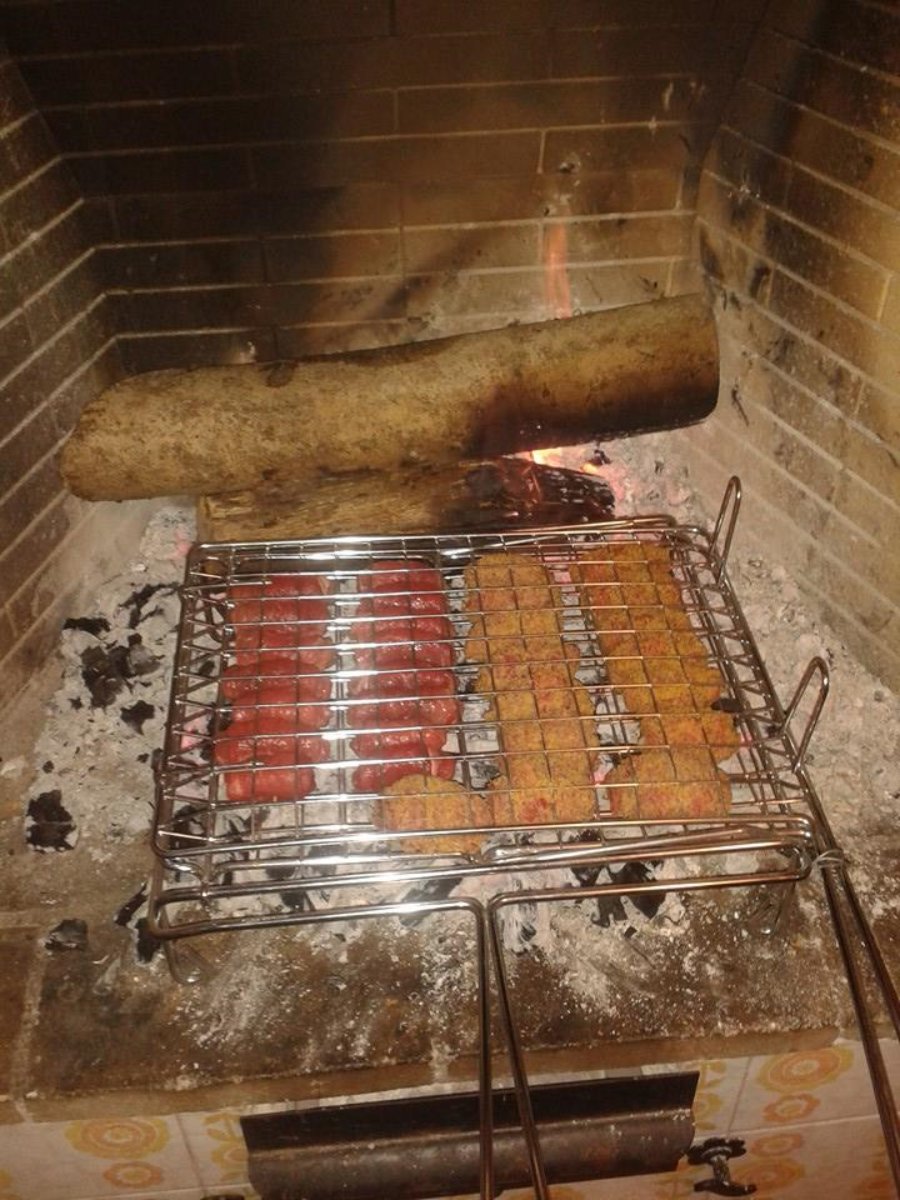
In the Itria Valley (Martina Franca, Cisternino, Locorotondo), the tradition is grilled meat. Bombette are small rolls of pork stuffed with cheese and herbs, grilled over a wood fire; you find them in the macellerie-braceria, butcher shops that double as small rotisseries.
The capocollo of Martina Franca, a pork cold cut smoked with wood and myrtle, is another recognized local specialty. As for vegetables, fave e cicorie, a fava bean purée served with wild chicory, are found throughout the region in similar variations. Another classic of the Sunday table all over Puglia: braciole (or brasciole), thin slices of meat rolled around parsley, garlic and pecorino, then simmered for a long time in a tomato sauce. To discover these villages in more detail, see our guide The most beautiful villages of Puglia.

3. Salento: pasticciotto, ciceri e tria, polpo alla pignata and puccia
Salento has its own culinary identity, shaped by the influence of the sea and a strong pastry tradition. The pasticciotto, a small shortcrust pastry filled with pastry cream, was born in Galatina and is traditionally eaten warm at breakfast.

Ciceri e tria combines fresh pasta (tria), partly fried, with chickpeas; polpo alla pignata is octopus slowly stewed in a terracotta pot (the pignata). During the festive season, cartellate, spirals of fried dough coated in honey or vincotto, are a Christmas tradition throughout Salento.


The puccia salentina, a small round bread with a dense crumb, is traditionally eaten filled (tuna, tomatoes, olives, grilled vegetables) like a sandwich: it is the most widespread street snack throughout Salento.
4. Taranto and the sea: the cozza tarantina
Taranto, nicknamed the “city of two seas” (Mar Grande and Mar Piccolo), has a culinary identity turned toward seafood. The cozza tarantina, the Taranto mussel, has been farmed there since antiquity in the Mar Piccolo, whose low-salinity waters (fed by underwater springs) give it a distinctive flavor: it is recognized as a traditional agri-food product of Puglia.
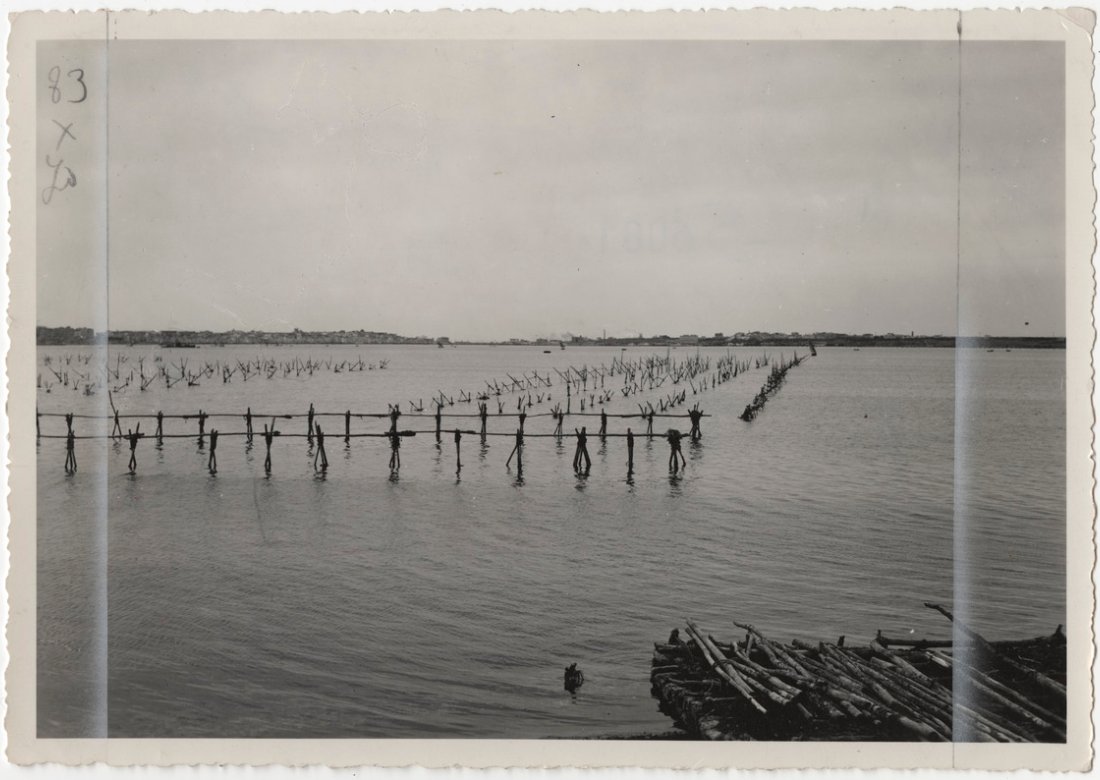
It is enjoyed raw, au gratin (cozze arraganate) or in a tiella di riso, patate e cozze, a baked gratin of rice, potatoes and mussels, typical of the whole Ionian area.
Another coastal specialty, from the Gargano down to Salento: ricci di mare (sea urchins), eaten raw, with a spoon or on a slice of bread, especially around Gallipoli. Fishing for them is regulated to preserve the species — closed from 1 May to 30 June — and local tradition holds that they should only be eaten during the months with an “r”.
5. Street food and antipasti: sgagliozze, pettole, rustico and lampascioni
Beyond dishes served at the table, Puglia has a real culture of snacking and aperitifs, with specialties that are eaten standing up, on the street or at any hour.
In Bari, pettole (or popizze) are small balls of fried bread dough, served hot, plain or topped with sun-dried tomatoes, olives or anchovies: a must at year-end festivities and at the stalls of the old town. Sgagliozze, golden and crispy slices of fried polenta, traditionally go with them.
In Salento, the rustico leccese is the great snacking classic: two discs of puff pastry enclosing mozzarella and tomato sauce (sometimes with béchamel), probably born in the 18th century in Lecce’s aristocratic circles, under French influence — a kinship with the vol-au-vent is often mentioned.

As for vegetables, lampascioni are small wild bulbs with a slightly bitter taste (Muscari comosum, a species of hyacinth), harvested since at least the 19th century in the limestone lands of the hinterland, particularly around Foggia. They are traditionally enjoyed marinated in oil or vinegar, fried or cooked under the ashes: an emblematic antipasto of the whole region.

6. Burrata and the cheeses of Puglia
Burrata, born in the Andria area in the 20th century, is probably Puglia’s best-known product internationally: a pouch of mozzarella filled with cream and shreds of stretched curd (the stracciatella). It has held a PGI (protected geographical indication) since 2016 and is best enjoyed very fresh, with just a drizzle of olive oil.

In the Gargano and the Monti Dauni, caciocavallo podolico, made from the milk of Podolica cows raised in semi-freedom, is a rarer, more distinctive aged cheese. Throughout Puglia you can also easily find fresh ricotta and, for those who like stronger flavors, ricotta forte, a pungent preparation used in small quantities on pasta.

7. Bread, taralli and friselle
Pane di Altamura is the only bread in Europe to hold PDO status, obtained in 2003. Made with local durum wheat and a long sourdough fermentation, it is recognizable by its thick crust and pale yellow crumb; it keeps for several days without hardening.

Taralli, small savory biscuits made with olive oil and white wine, are nibbled everywhere as an aperitif. Friselle, rings of twice-baked bread, are quickly dipped in water and then topped with fresh tomatoes, olive oil and oregano: a simple summer meal, very common all along the coast.


8. The wines of Puglia: primitivo and negroamaro
Puglia is one of Italy’s leading wine regions by volume. Primitivo di Manduria (DOC appellation), produced in Salento around Manduria, yields powerful red wines with aromas of ripe dark fruit. Negroamaro, the region’s second emblematic red grape variety, is showcased in particular in the Salice Salentino DOC appellation, with wines of softer tannins and a characteristic hint of salinity.
To go further, see our guide to Puglia’s wine route, with the appellations, the production areas and the cantine to visit.

As for olive oil, Puglia alone accounts for a very large share of Italian production: it is hard to pass up a good local oil, often sold directly by producers or at markets.
9. Where and how to taste these specialties
Local markets, panifici (bakeries) and gastronomie (delicatessens) remain the simplest way to taste authentic products day to day, often cheaper than at a restaurant. For more elaborate dishes such as bombette or polpo alla pignata, trattorias and local macellerie-braceria remain the best option.
For the practical habits to know at restaurants (coperto, opening hours, reservations) and the good reflexes for eating without going to a restaurant at every meal, our guide Travelling in Puglia: practical tips to plan your stay covers all of this section by section.
In APULIA, the page for each listed restaurant and market specifies its specialties, so you can easily spot the good addresses along your itinerary.
Explore Puglia’s food with APULIA
In the APULIA app, find the restaurants, markets and producers listed near each stage of your trip, with their specialties. Browse our Explore section to discover these addresses along your route.
Want to build a trip around these specialties?
Plan my trip with APULIAFrequently asked questions
What is Puglia’s most emblematic dish?
There isn’t just one: orecchiette con cime di rapa in Bari and burrata around Andria are probably the two products most associated with the region internationally.
Can you eat the local specialties without breaking the bank?
Yes: most of the specialties presented here (focaccia, panzerotti, taralli, friselle) are everyday products, sold in bakeries or at markets at very affordable prices, much cheaper than a restaurant meal.
Do the specialties change a lot from one area to another?
Yes, noticeably: the Itria Valley leans toward grilled meat, Salento toward fish and pastry, and the Terra di Bari toward fresh pasta and bread. That is precisely why it is worth tasting in several areas during your stay.
What products should you bring back from Puglia?
Olive oil, taralli (which keep well) and pane di Altamura are safe bets that are easy to carry; burrata and other fresh products, on the other hand, are best eaten on the spot.
For specific restaurant ideas by area, see our selection of good places to eat in Puglia.