
From the trulli of Alberobello to the cliffs of Polignano a Mare, via Lecce’s baroque, the Castellana Caves and the coves of the Gargano, Puglia packs an impressive variety of landscapes and architecture into a compact area. Rather than a generic list, here’s a curated, annotated selection of must-sees by area—so you can understand why each one is worth the detour and how to fit it into an itinerary.
You can easily cross the region in one to two weeks, but each area has its own character: the Itria Valley is all about rural architecture and olive groves, the Adriatic coast alternates cliffs and old towns, the Salento leans into a more urban baroque before switching to the Ionian Sea, and the Gargano stands out for its wilder nature. This guide follows that area-based logic rather than a simple ranking, so you can build a coherent itinerary based on the time you have.
Contents
- The Itria Valley: trulli and whitewashed villages
- Bari and surroundings: coast and Romanesque architecture
- The Salento: baroque, sea, and the heel of the boot
- The Gargano: nature and hilltop villages
- How to get to and get around Puglia
- Where to stay based on your itinerary
- How to prioritize your visit
- Frequently asked questions
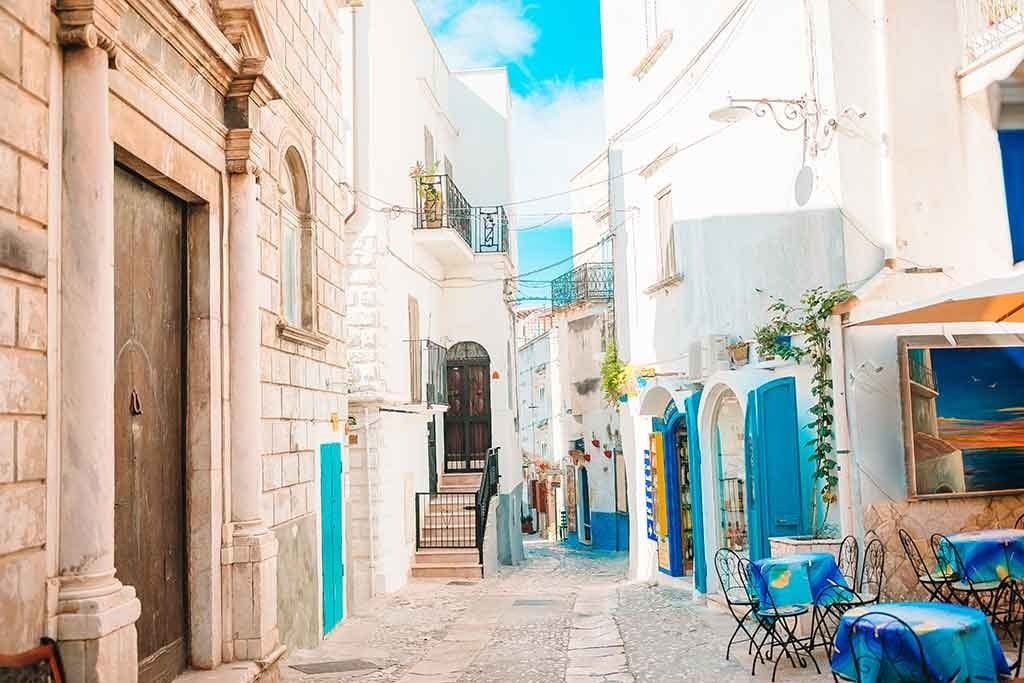
The Itria Valley: trulli and whitewashed villages
This is Puglia’s best-known postcard: rolling countryside dotted with centuries-old olive trees, dry-stone walls, and villages that mix conical trulli with whitewashed facades. It’s easy to explore by car, with travel times between villages rarely more than 15 minutes.
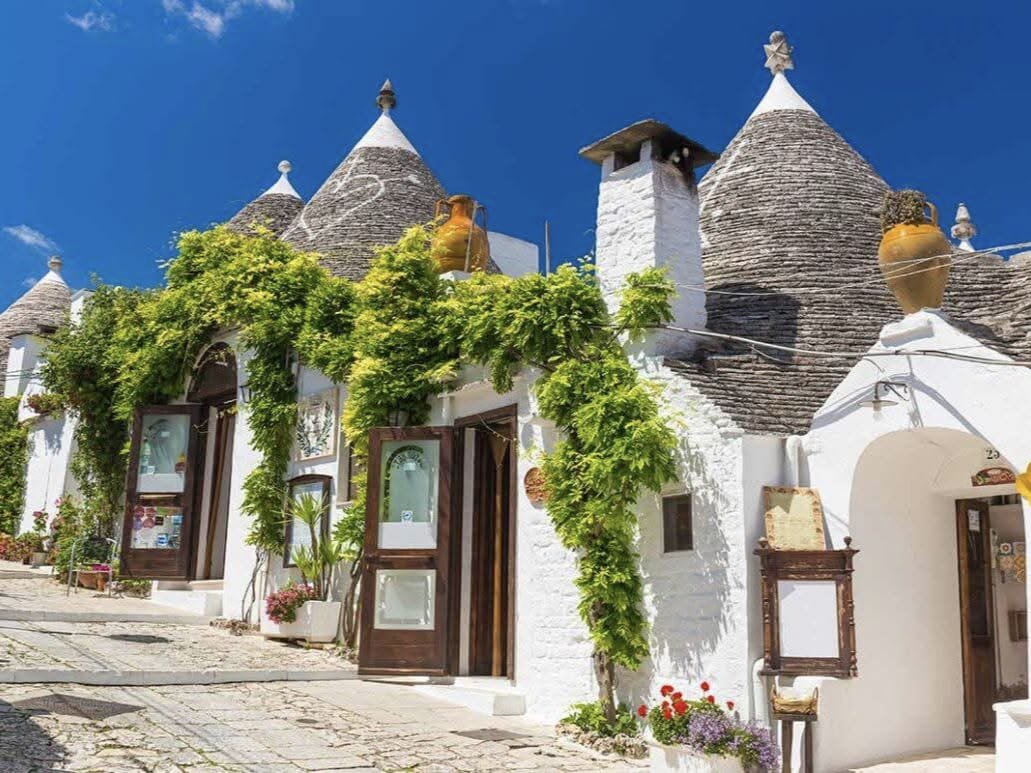
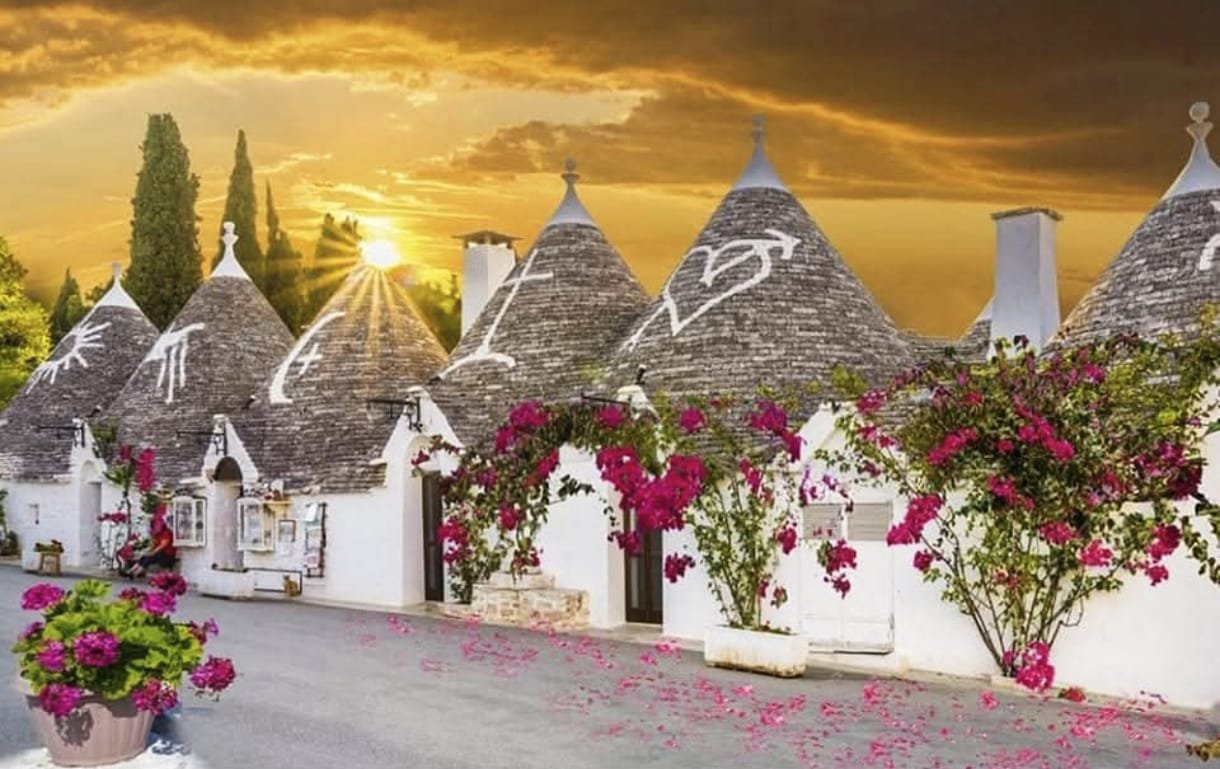
Alberobello and its 1,500 trulli
The most iconic stop is Alberobello and its Rione Monti district, home to more than 1,500 UNESCO-listed conical-roof trulli since 1996. Built from dry stone without mortar using a unique local technique, these homes were historically a way to avoid taxes on permanent buildings: the roofs could be dismantled quickly in case of inspection. Rione Monti is where you’ll find shops and inhabited trulli; Aia Piccola, less touristy, shows how locals still live here day to day.
Locorotondo, the circular village
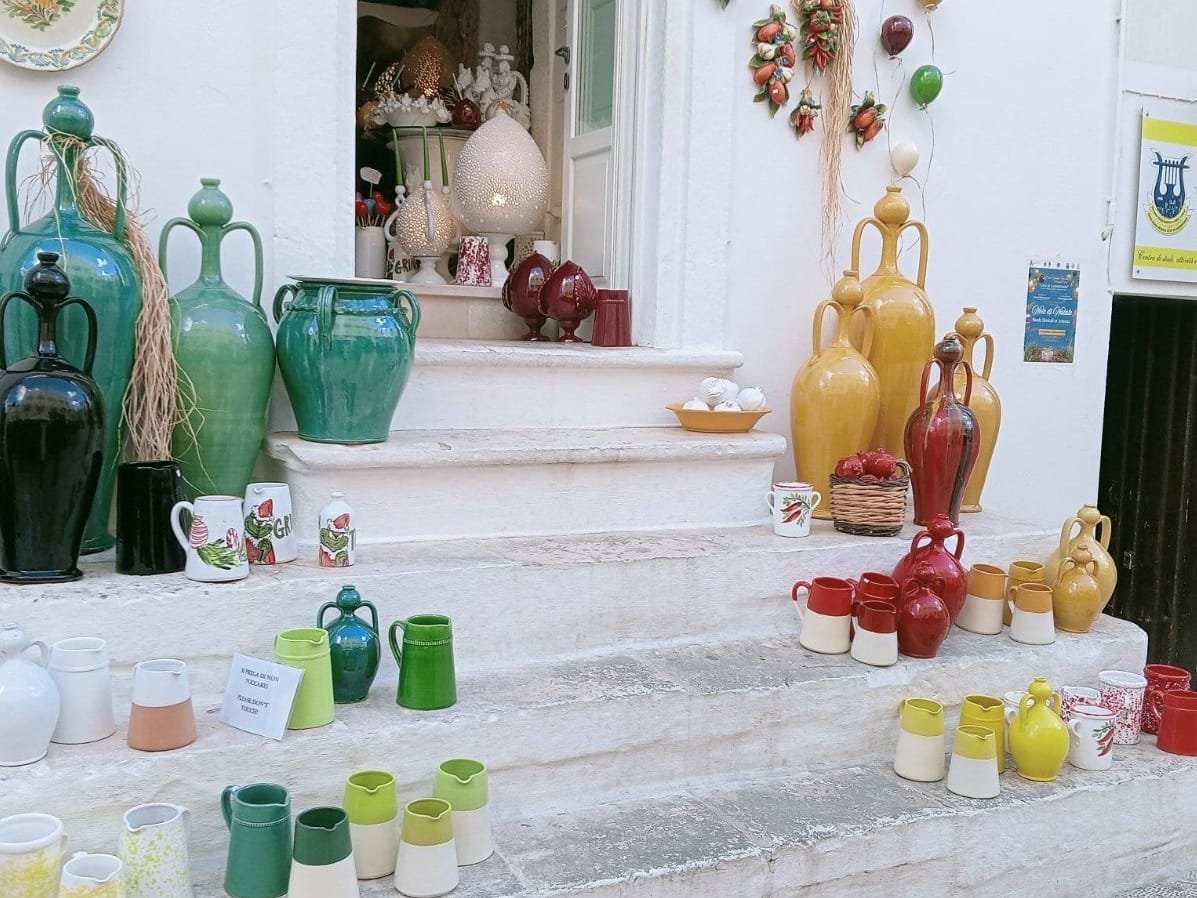
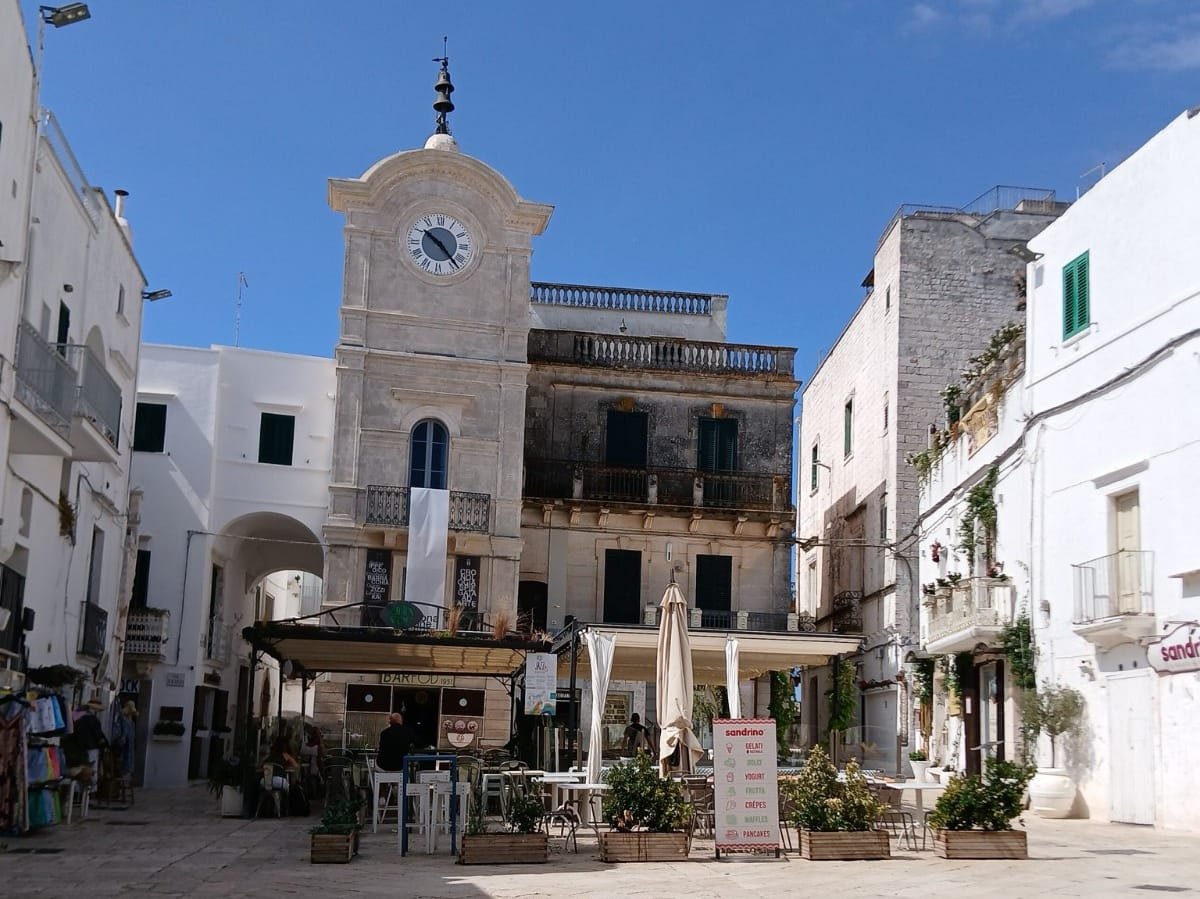
Locorotondo takes its name from the circular shape of its historic center, perched on a hill and visible from afar. Unlike Alberobello, its roofs are pitched (the cummerse) rather than conical, making for an interesting architectural contrast. The limewashed lanes, with geraniums on windowsills, make it one of the most photogenic—and least crowded—villages in the area.
Cisternino and its old town
Cisternino completes the trio of the valley’s “white villages.” One of Puglia’s best-preserved historic centers, it’s easy to explore on foot among stone arches, inner courtyards, and traditional butcher shops where the meat you buy is grilled on the spot—a local tradition to try at the end of the day. It’s also a great base, less touristy than Alberobello, for staying in the heart of the valley. The panoramic terrace near the Torre Normanno-Sveva, along the ramparts, offers open views over the olive-tree countryside below, especially lovely at sunset.
Ostuni, the White City
Ostuni is worth the detour for its whitewashed lanes perched on a hill visible for miles, which earned it the nickname Città Bianca. The 15th-century Gothic cathedral crowns the highest point, and the terraces below offer views all the way to the Adriatic Sea on clear days. Plan to wander in the late afternoon, when the low light makes the facades glow.
Castellana Caves, beneath the valley
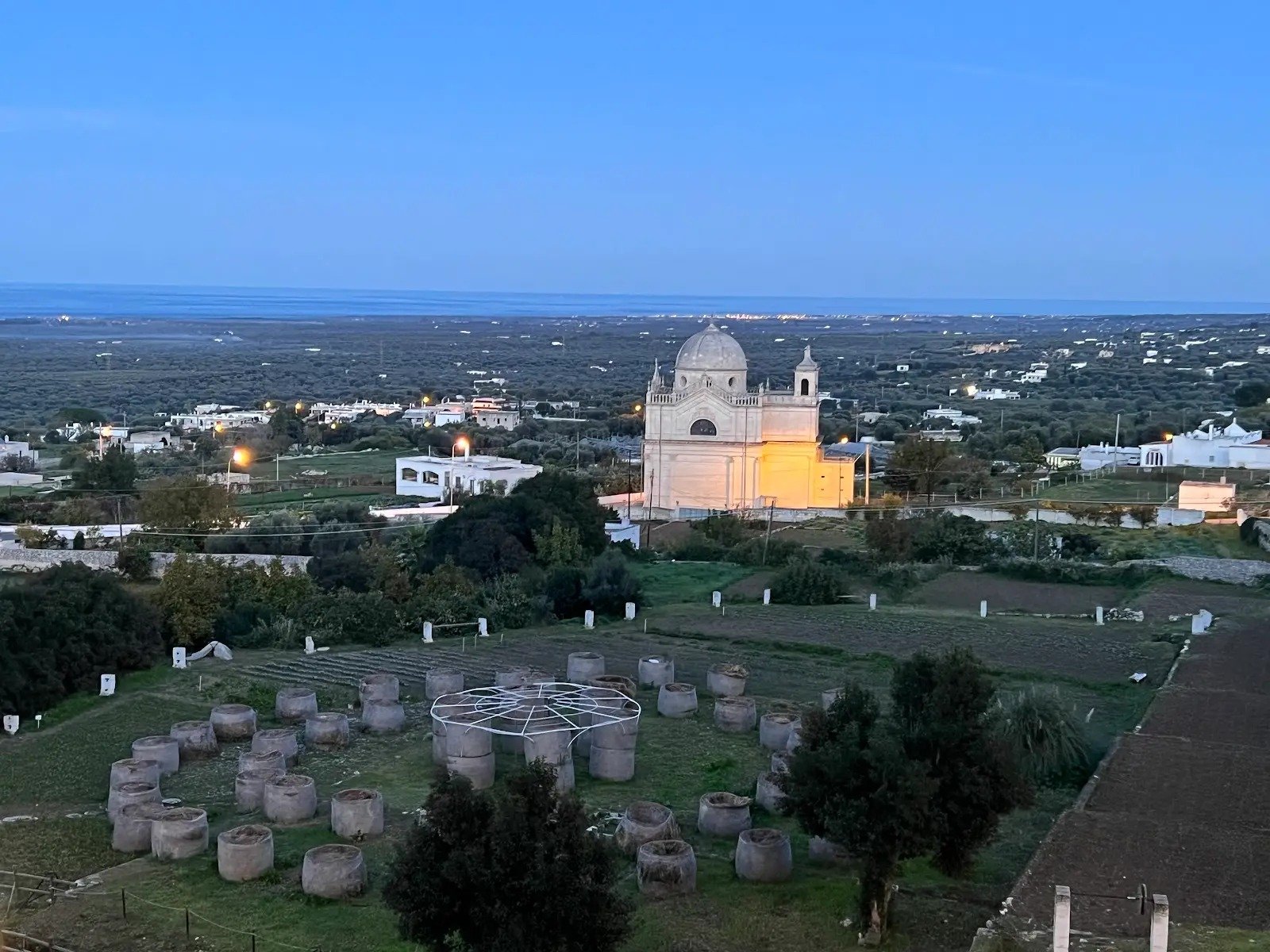
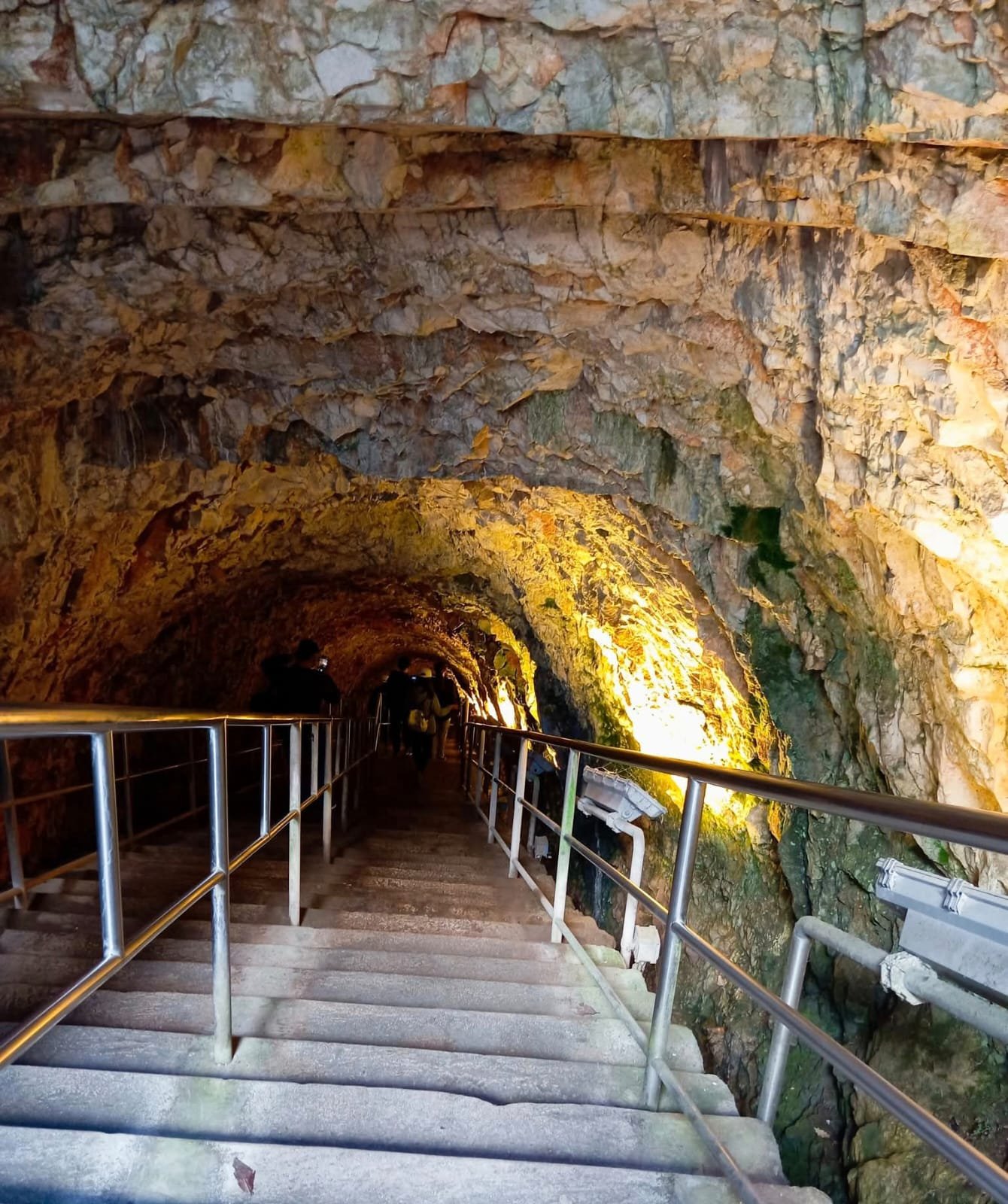
Just minutes from the valley, the Grotte di Castellana form Italy’s largest visitable cave network: around 3 km of underground limestone galleries, with a short route (about an hour) or the full tour (nearly two hours) to the famous Grotta Bianca, a translucent alabaster chamber. Booking ahead is recommended in high season, as visits run on fixed schedules in guided groups.
Bari and surroundings: coast and Romanesque architecture
Bari, the regional capital and main air gateway, deserves more than a quick stopover. Around it, the Adriatic coast strings together cliffs and fishing villages all the way to the Itria Valley.
Bari Vecchia, the old town
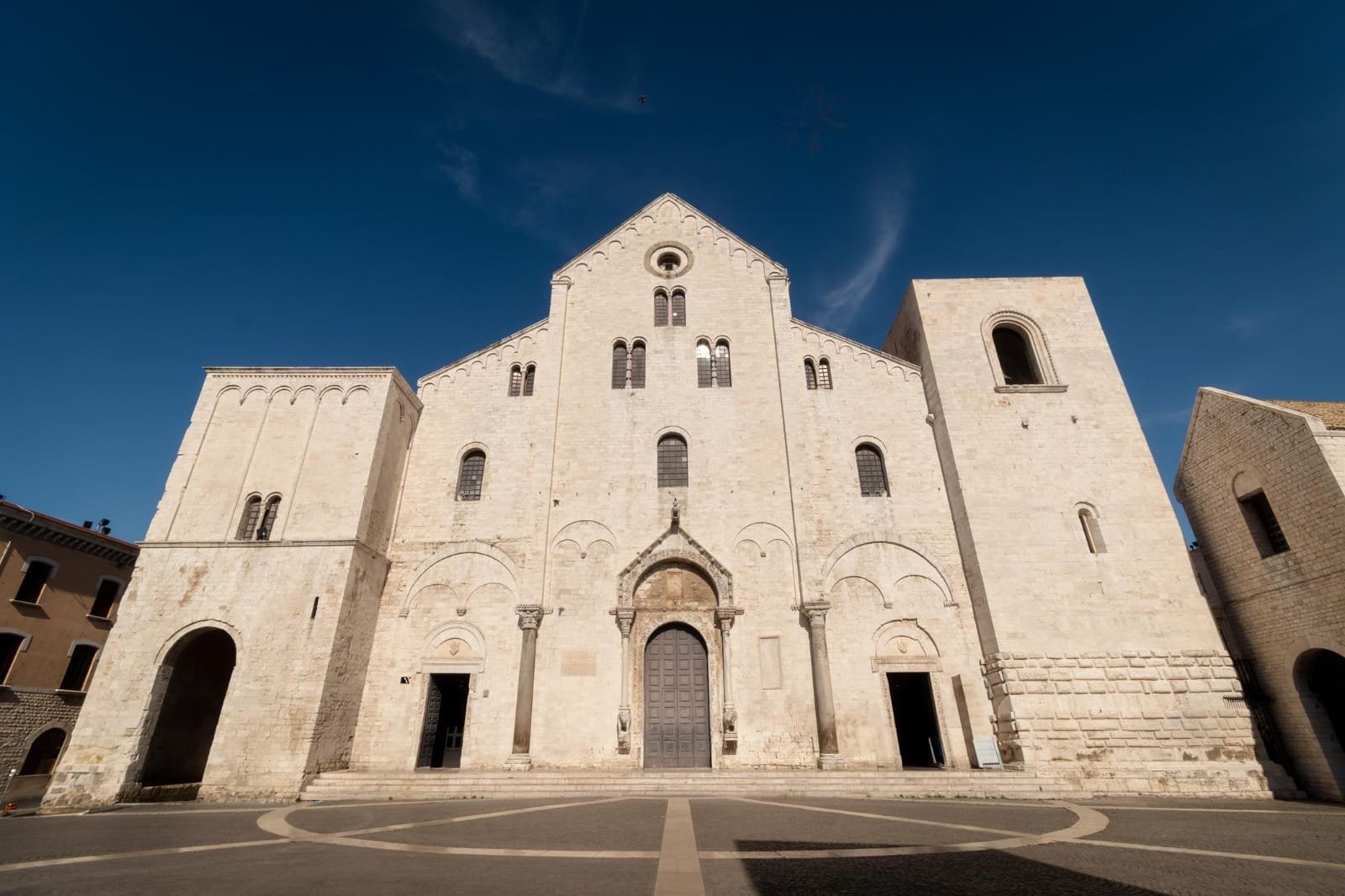
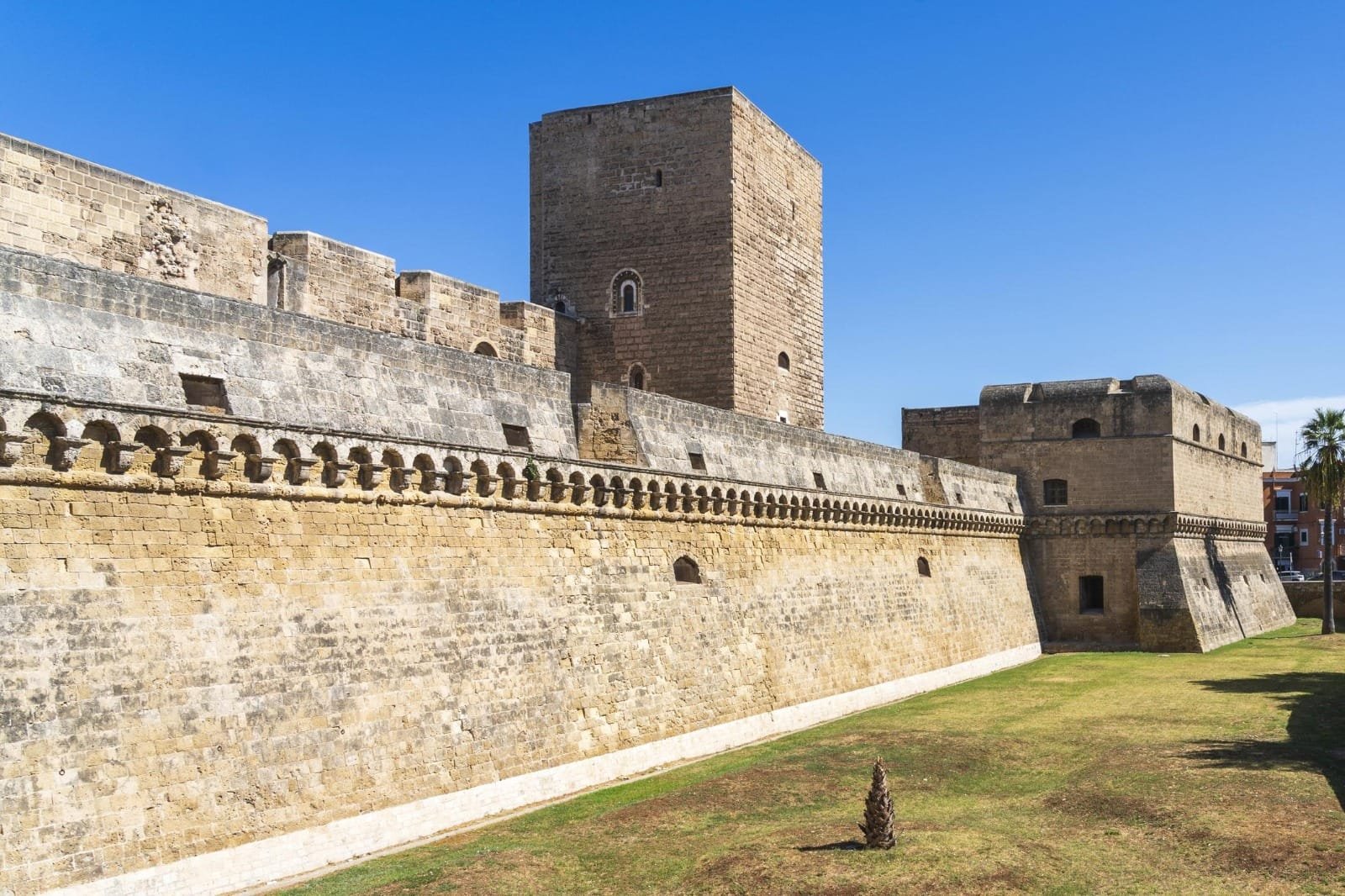
The maze of medieval streets in Bari Vecchia is easy to explore on foot from the port. Here you’ll find the Basilica of Saint Nicholas, an important Orthodox and Catholic pilgrimage stop, San Sabino Cathedral, and the Norman-Swabian Castle. It’s also in these narrow streets that local women still make orecchiette by hand on tables set out in front of their doors—one of the city’s most iconic scenes.

Polignano a Mare, the cliffside town
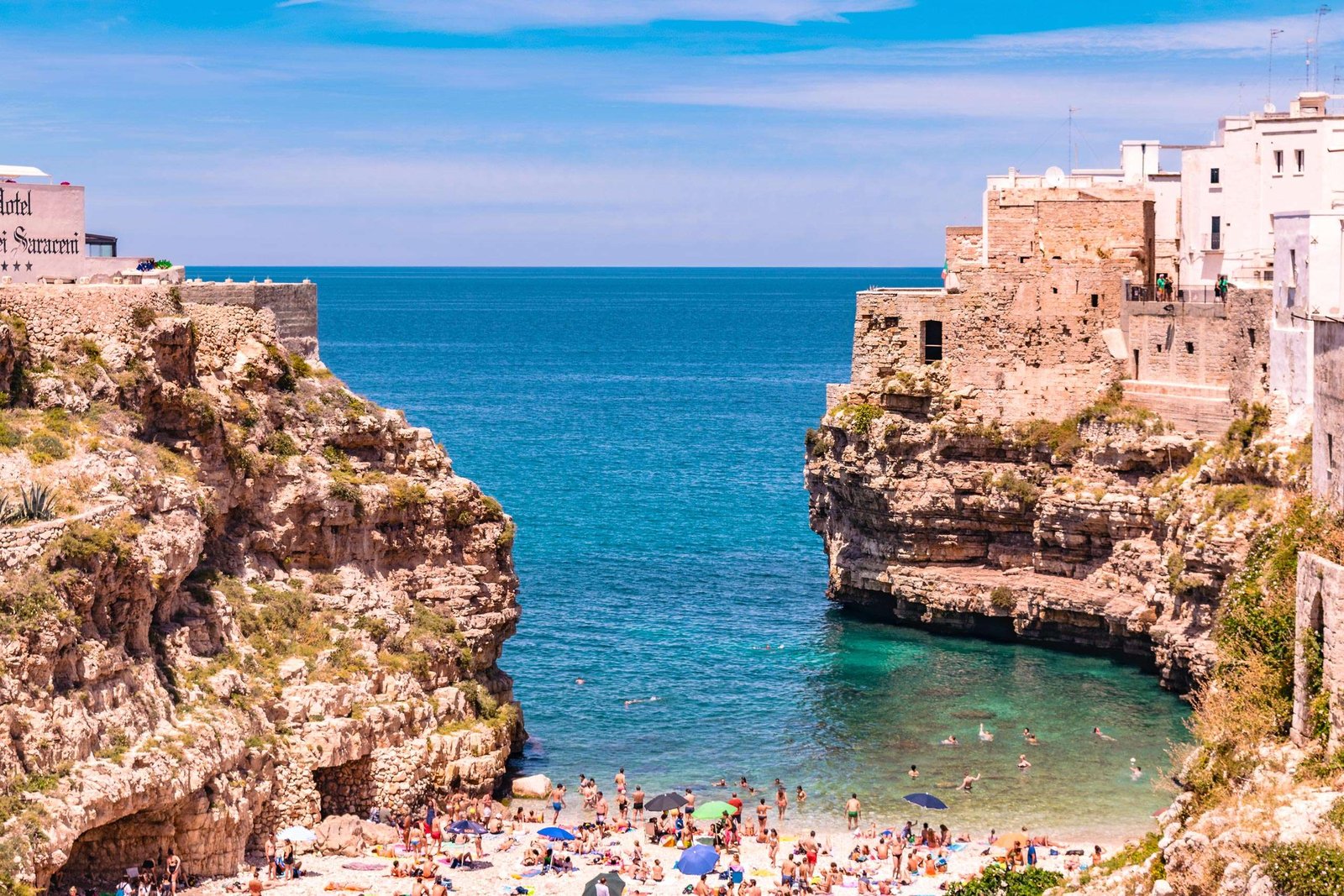
Polignano a Mare is built right on the edge of limestone cliffs riddled with caves, with the small cove of Cala Monachile tucked between the houses. It’s one of the most spectacular viewpoints on the Adriatic coast, especially at sunset. The historic center, all white lanes, rounds out the visit in half a day.
Monopoli, the fishing port
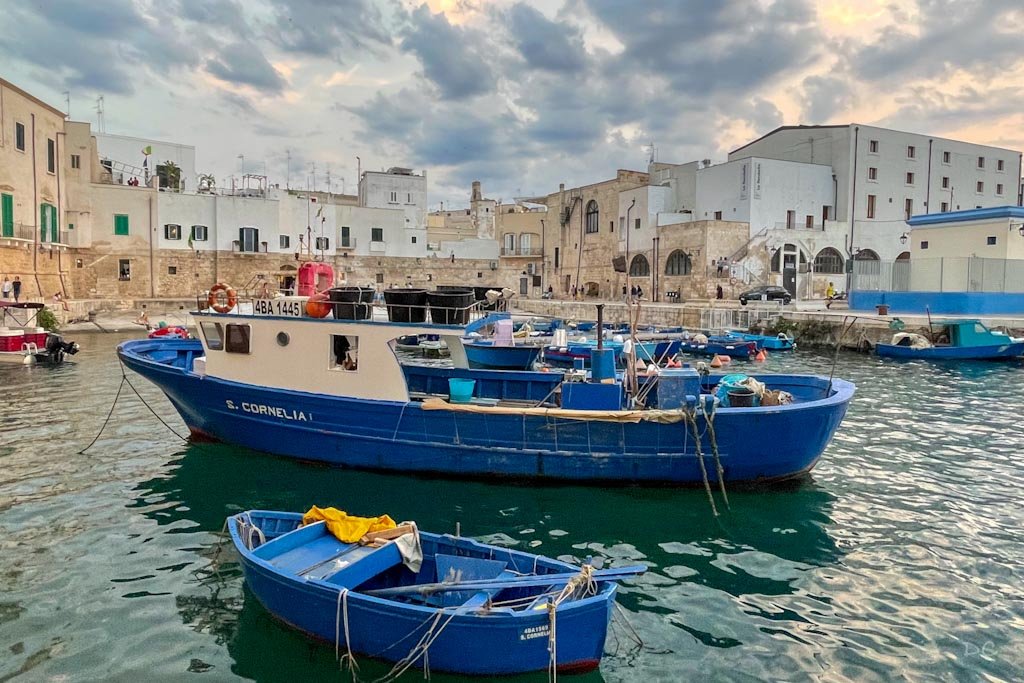
Less crowded than neighboring Polignano, Monopoli still has a working fishing port, a fortified historic center, and sandy beaches right nearby—making it a great base to combine sightseeing and downtime without straying far from Bari. The morning fish market on the harbor offers a glimpse of local life that feels far more authentic than the tourist-heavy areas of nearby towns.
Detour: Castel del Monte
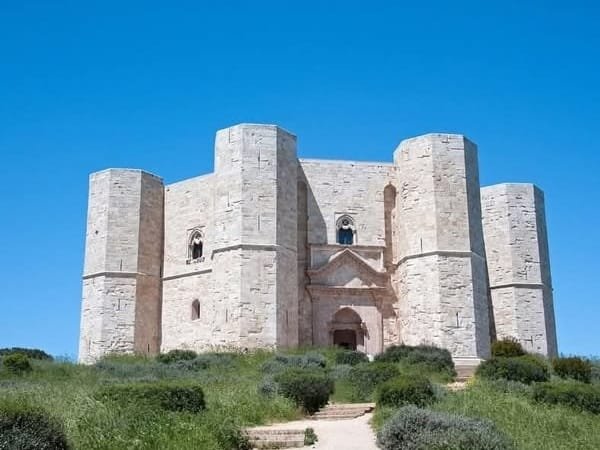
Inland, Castel del Monte, a 13th-century octagonal fortress commissioned by Emperor Frederick II, is another UNESCO-listed site. Its perfect geometry—still not fully explained today—makes it a one-of-a-kind architectural curiosity, visible from afar on its isolated plateau. Allow about a 45-minute drive from Bari or Alberobello: it’s a half-day visit, often paired with lunch in one of the nearby villages of the Itria Valley.
The Salento: baroque, sea, and the heel of the boot
Further south, the Salento shifts gears: flamboyant baroque architecture in Lecce, crystal-clear coves, and Italy’s easternmost tip in Otranto.
Lecce, the Florence of the South
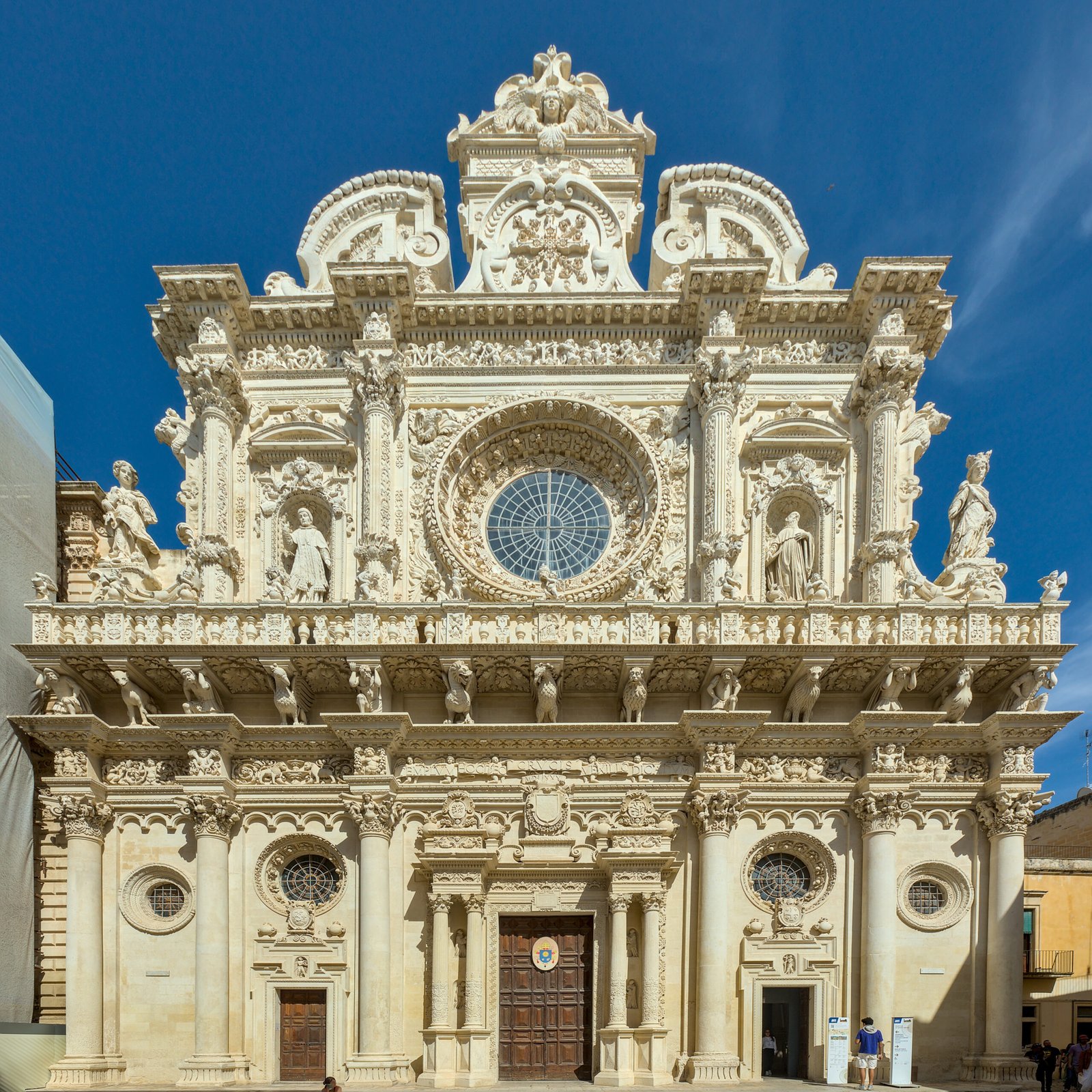
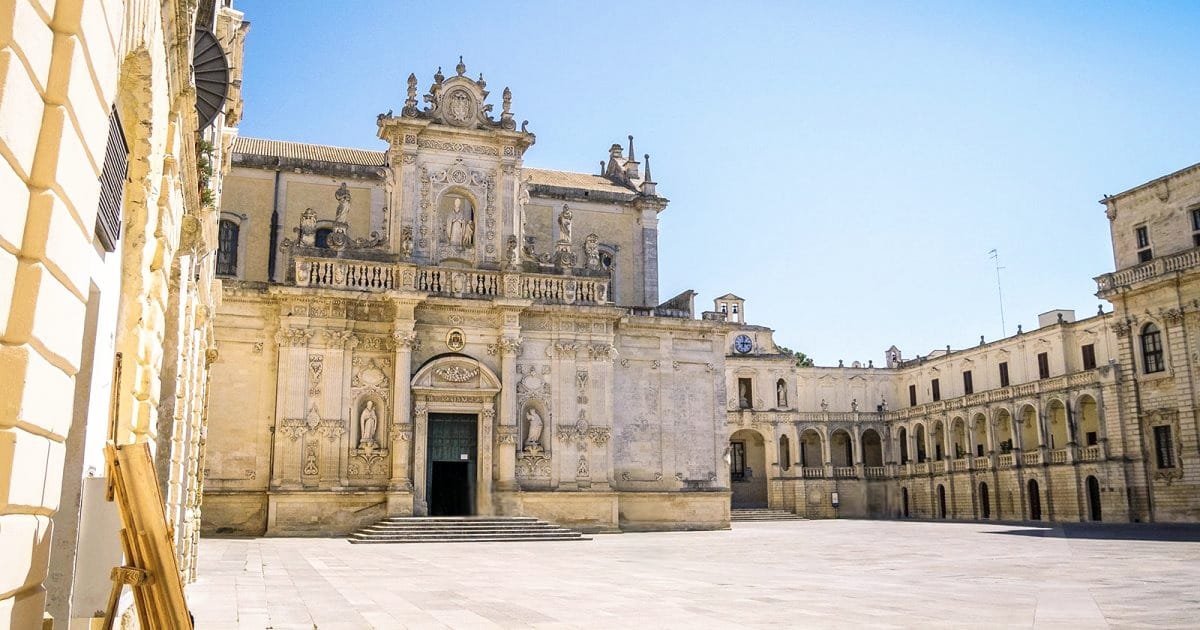
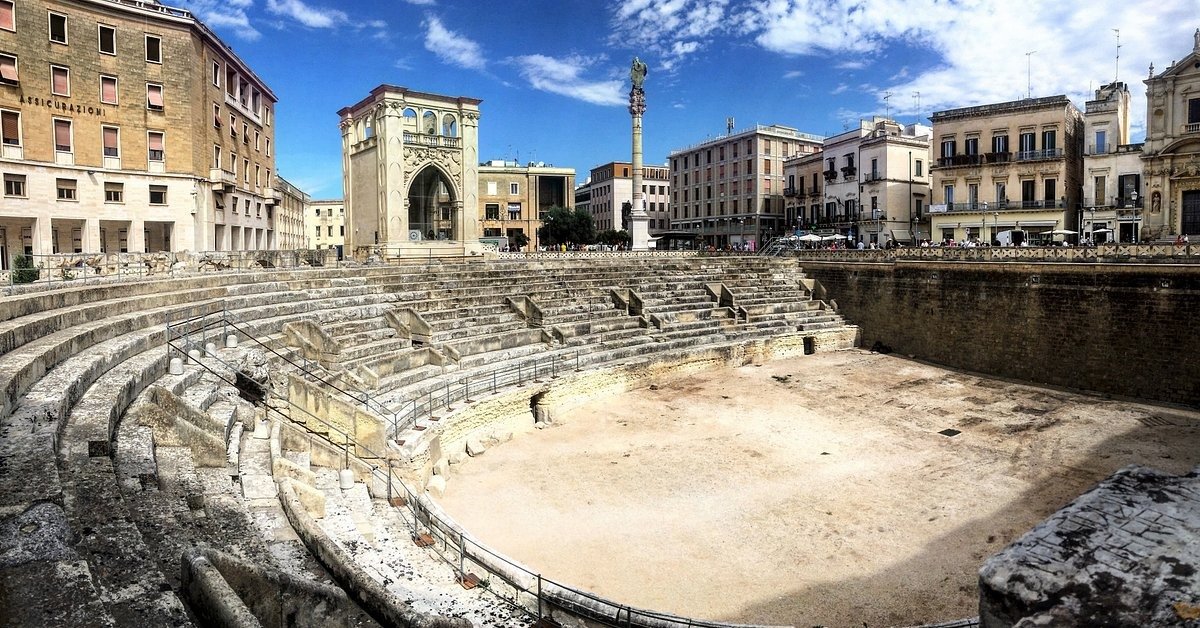
Nicknamed the “Florence of the South,” Lecce owes its reputation to its exuberant Baroque architecture, carved from a soft, golden local limestone known as pietra leccese, which allowed 17th-century artisans to create incredibly fine ornamentation. The Basilica of Santa Croce and Piazza del Duomo boast the most elaborate facades; the Castle of Charles V and the Roman amphitheater, discovered right in the city center, complete the visit.
Otranto, the easternmost tip
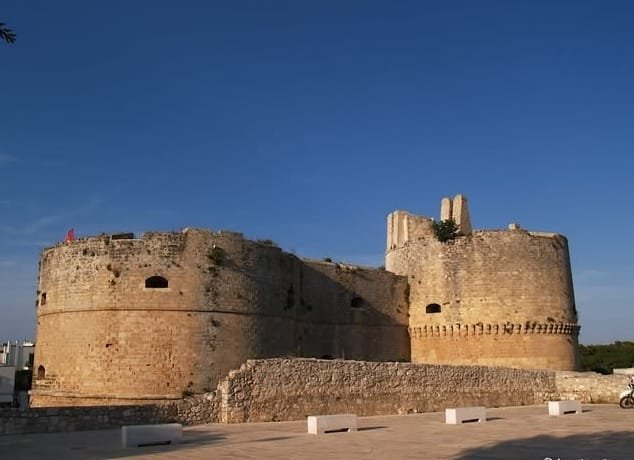
Just south of Otranto, Punta Palascìa (Capo d’Otranto) marks Italy’s easternmost point, where the Adriatic meets the Ionian Sea. The cathedral houses an exceptional medieval floor mosaic depicting the Tree of Life, while the Aragonese castle overlooking the port recalls the town’s strategic role facing the Balkans. To the south, the coast alternates coves and turquoise water all the way to Baia dei Turchi.
Gallipoli, the Ionian gem
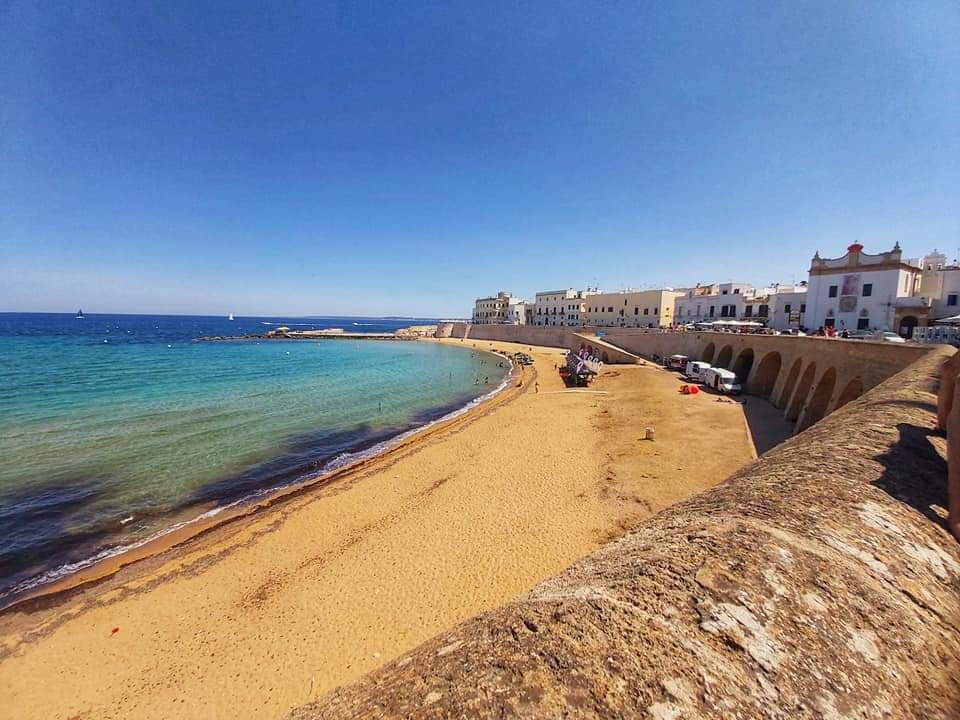
Gallipoli offers a different sea from the rest of the Salento: on the Ionian side, its historic center sits on a peninsula linked to the modern town by a bridge, with the Sant’Agata Cathedral and an Aragonese castle facing the port. Below the ramparts, Spiaggia della Purità offers turquoise water right in the city center—rare for a town of this size. It’s also a great seaside base if you prefer beach time over Lecce’s baroque architecture.
Torre dell’Orso and Torre Sant’Andrea, the Salento cliffs
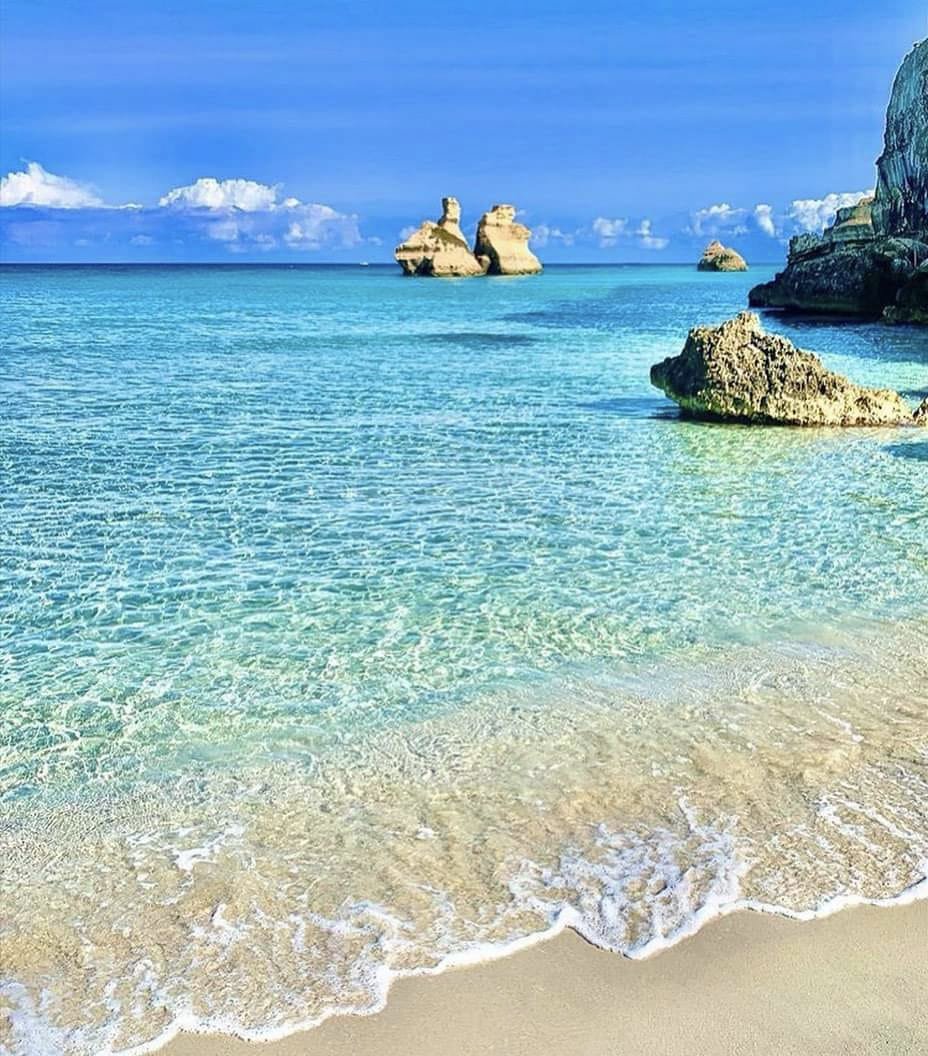
Between Otranto and the north of the Salento, the coast alternates coves and low cliffs riddled with caves. In Torre dell’Orso, two large rocks rising from the water, nicknamed the due sorelle (the two sisters), mark one of the Salento’s longest fine-sand beaches. A little further north, Torre Sant’Andrea has a more rugged feel: limestone cliffs, natural arches and crystal-clear water—popular for a snorkeling outing or simply a late-day swim.
The Gargano: nature and hilltop villages
This limestone promontory that forms the “spur of the Italian boot” stands apart from the rest of the region: forests, steep cliffs, and coves mostly reached by boat.
Vico del Gargano and the hilltop villages
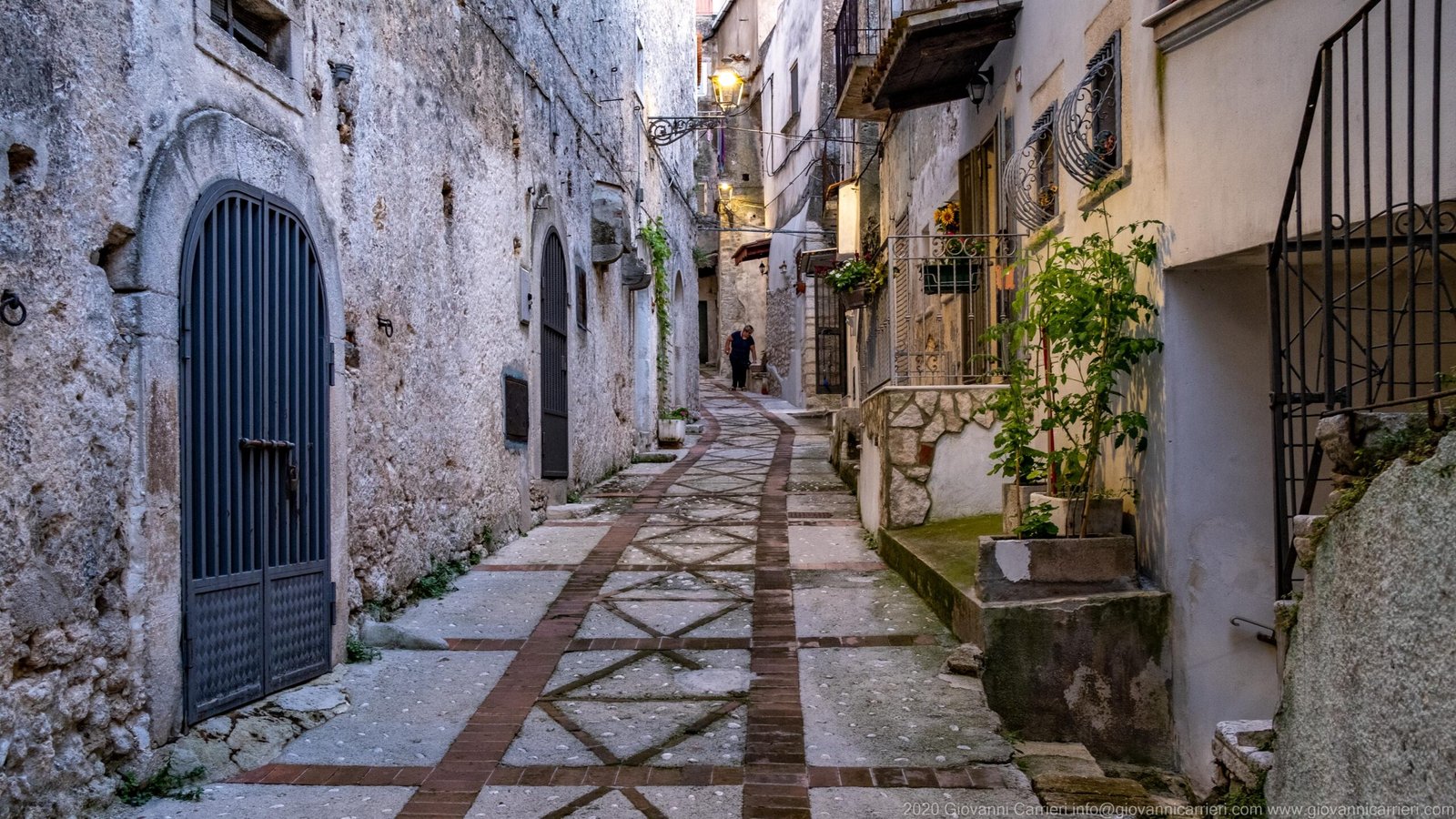
Vico del Gargano, often cited among Italy’s most beautiful villages, is a great example of the promontory’s architecture: narrow stone lanes, arches and vaulted passages originally designed to protect from wind and heat. Inland, the Umbra Forest is a complete contrast with the rest of Puglia: centuries-old beech trees and cool air, just a few kilometers from the beaches. Several marked trails make it easy to do a short hike (1 to 2 hours) with no special gear—an excellent alternative to beach days if you’re staying in the Gargano for several days.
The Gargano sea caves
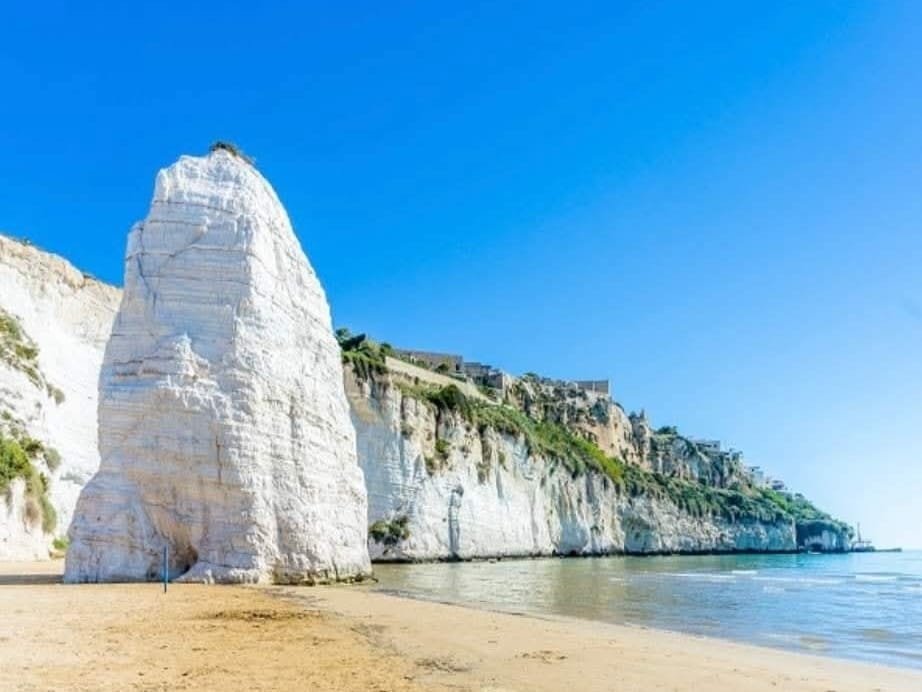
The Gargano coast, between Vieste and Peschici, is carved with sea caves mainly reached on boat trips from local ports. Some, like Grotta Campana or Grotta Smeralda, owe their names to the turquoise light effects they create around midday, when the sun is highest.
Offshore, the Tremiti Islands form a protected marine reserve, reachable by ferry from Vieste, Peschici or Rodi Garganico in high season—an option if you want to add an extra day at sea.
How to get to and get around Puglia
Three airports serve the region—choose based on the area you’re prioritizing. Bari Airport (BRI, Karol Wojtyla) is the most central: about 25 minutes from the city center, it’s best for quickly reaching the Itria Valley and the coast between Bari and Monopoli. Brindisi Airport (BDS, Papola Casale), 15 minutes from the center, is the most convenient gateway for the Salento: Lecce, Gallipoli and Otranto are all under an hour’s drive. Foggia Airport (FOG, Gino Lisa), smaller and less well served, cuts travel time to the Gargano and Vieste if you’re coming from northern Italy.
Once you’re there, a rental car is still the most efficient way to hop between villages: regional train links (notably the Bari–Lecce line) exist, but they mainly serve larger towns—not the Itria Valley villages or the Gargano coves. One thing to watch in historic centers: many are limited traffic zones (ZTL), generally closed to unauthorized vehicles during the day. It’s better to park in the signed lots on the edge of old towns (especially Alberobello, Ostuni and Lecce) than risk a fine by driving in.
Where to stay based on your itinerary
Where you base yourself can really change the experience depending on the area. In the Itria Valley, staying in Ostuni or Cisternino rather than Alberobello helps you avoid the day-trip crowds and enjoy the villages early in the morning or in the evening. On the coast between Bari and the valley, Polignano a Mare or Monopoli strike a good balance between beaches, a historic center, and quick access to Bari Airport. For the Salento, Lecce works well for day trips thanks to its central road network, while Otranto or Gallipoli are better for a more beach-focused stay. In the Gargano, seaside Vieste or Peschici make practical bases for trips to the sea caves and the Tremiti Islands.
How to prioritize your visit
It’s hard to see everything in one trip: the four areas above are spaced one to three hours’ drive apart. Here are a few pointers to help you decide based on the time you have.
| Trip length | Priority areas |
|---|---|
| 3–4 days | Itria Valley + Bari and its coast (the densest duo for sights, with short distances) |
| 5–7 days | Add the Salento (Lecce, Otranto) for a complete north–south itinerary |
| 10 days or more | Include the Gargano—more out of the way, but very different from the rest of the region |
To build a day-by-day plan, our 5-day Puglia itinerary lays out a concrete route, and our article on when to visit Puglia helps you pick the best period based on weather and crowds. For budget planning, our Puglia travel budget guide gives practical benchmarks, category by category.
For timing, spring (April to June) and early autumn (September–October) offer the best balance: pleasant temperatures for walking around villages, sea that’s already—or still—swimmable in the Salento, and far fewer crowds than in peak summer. July and August bring both the strongest heat and the highest visitor numbers on the coast, especially in Polignano a Mare and the Salento.
Frequently asked questions
What’s the most iconic site in Puglia?
The trulli of Alberobello remain the most photographed site and the one most associated with the region, but Polignano a Mare and Lecce are close behind in terms of name recognition.
How many days do you need to see Puglia’s must-sees?
Allow at least 5 days to cover the Itria Valley, Bari and the Salento without rushing. Add 2 to 3 days if the Gargano is on your plan, as it’s more out of the way than the rest of the region.
Do you need to rent a car to visit these places?
It’s strongly recommended: most of the villages mentioned are poorly served—or not served at all—by public transport, and distances between areas are far more efficiently covered by car.
Are these places accessible year-round?
Yes, but crowds and summer heat change the experience a lot, especially in Alberobello and Lecce. Spring and autumn offer a better balance between pleasant weather and less crowded sights.
Which airport should you choose for Puglia?
Bari for the Itria Valley and the north, Brindisi for the Salento, and Foggia for the Gargano if the itinerary spends several days there. Many visitors fly into Bari and out of Brindisi (or vice versa) to avoid backtracking: see our detailed Bari vs Brindisi comparison.
Where should you stay to explore the whole region easily?
There’s no single perfect base to see everything without moving: it’s better to plan 2 to 3 bases in a row (for example Cisternino, then Lecce, then Vieste) rather than doing daily round trips from one place, as distances between areas often exceed an hour’s drive.
Want to plan your Puglia itinerary?
The APULIA app brings together the best field-verified addresses, organized by area and site type.